
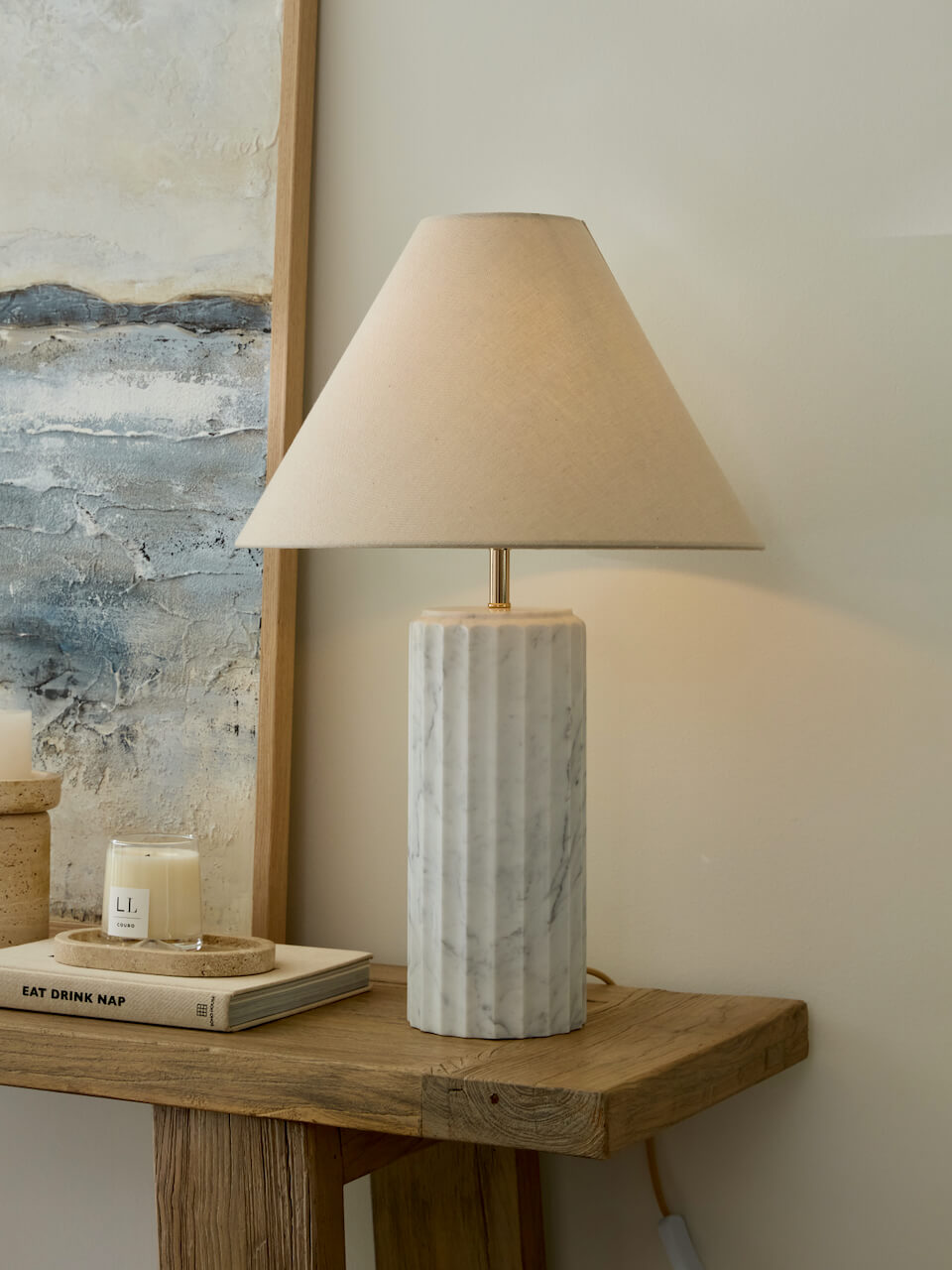
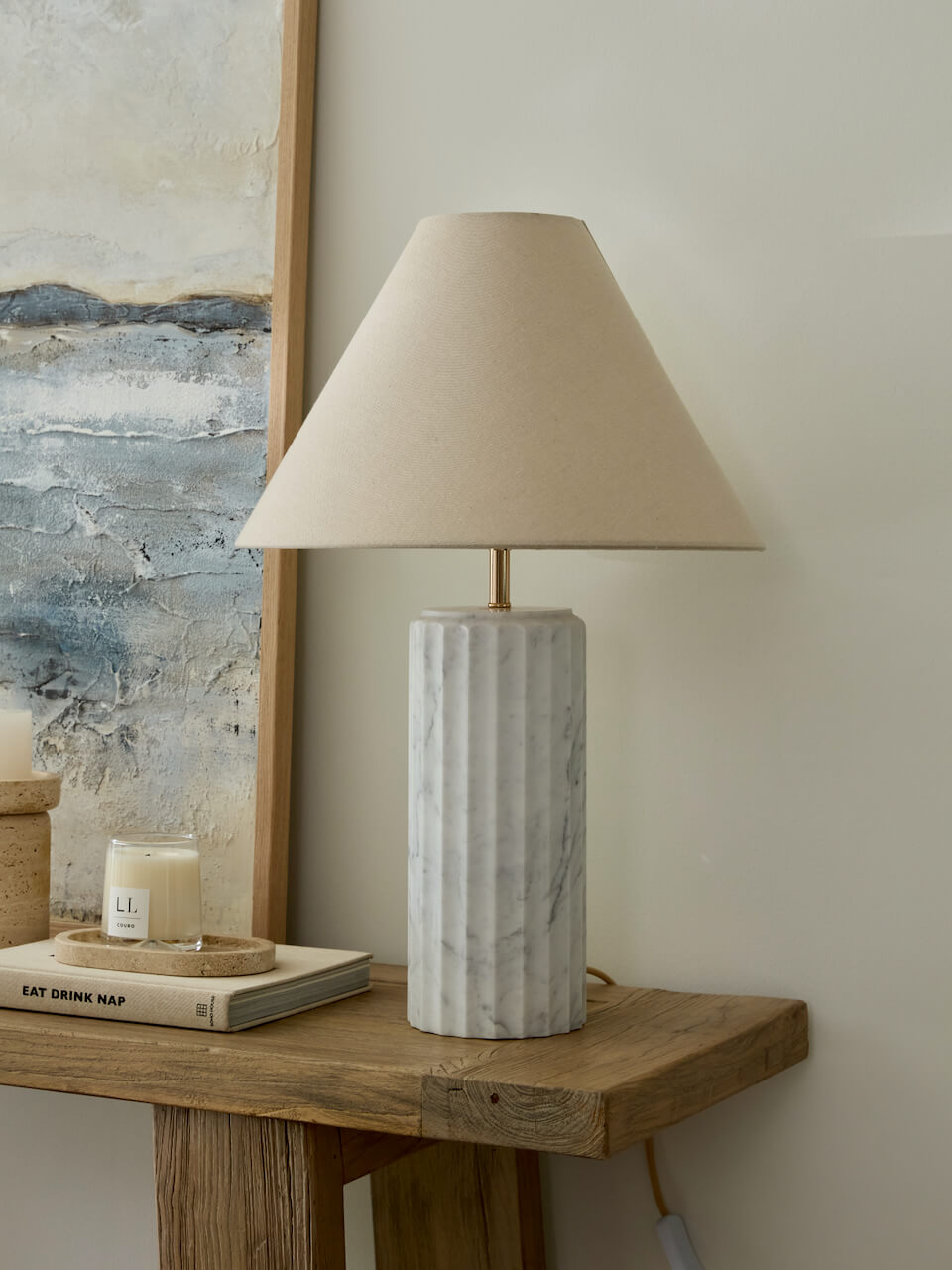
Lumo Carrara Marble Table Lamp & Shade
Sale price£275.00
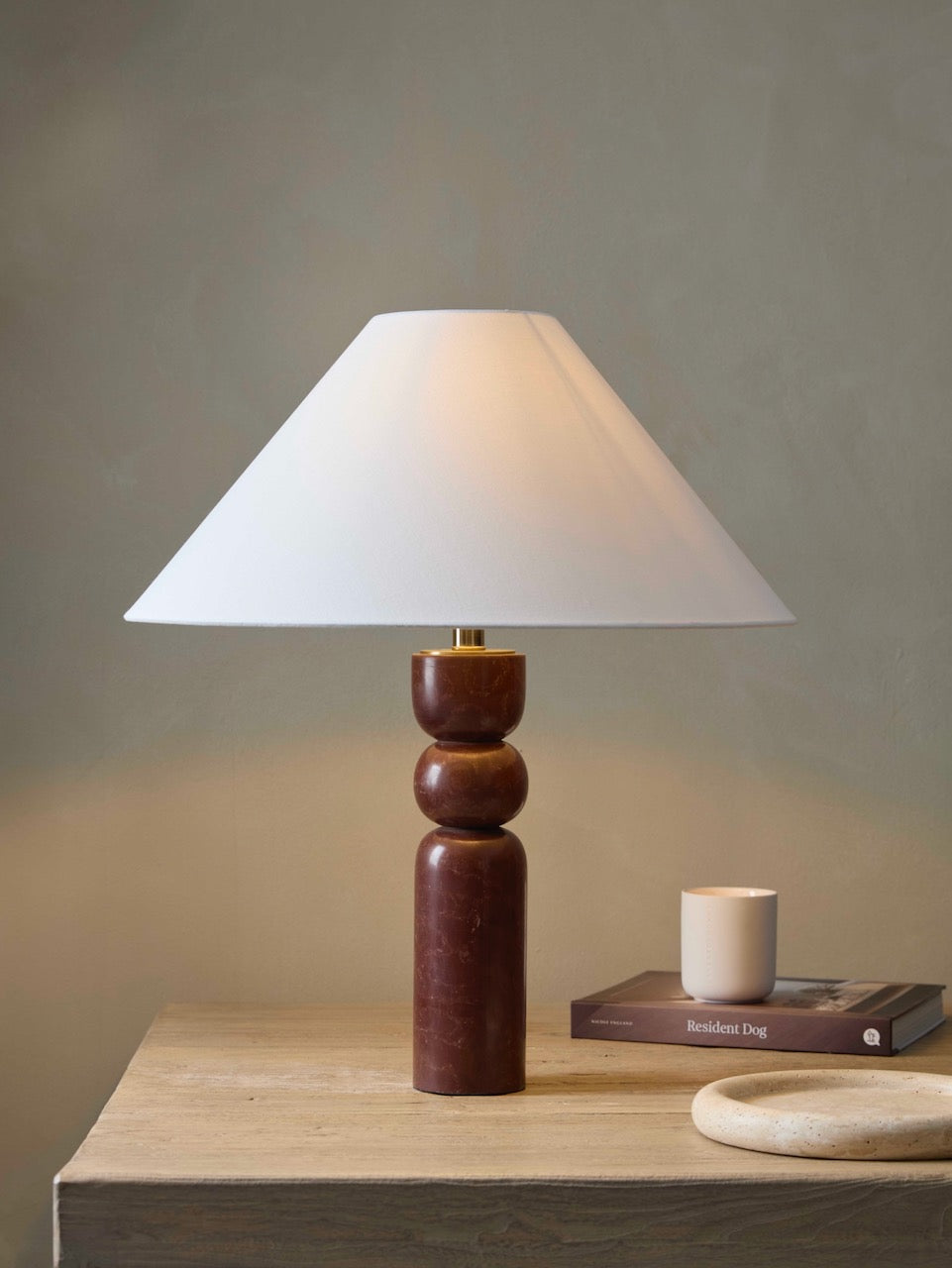
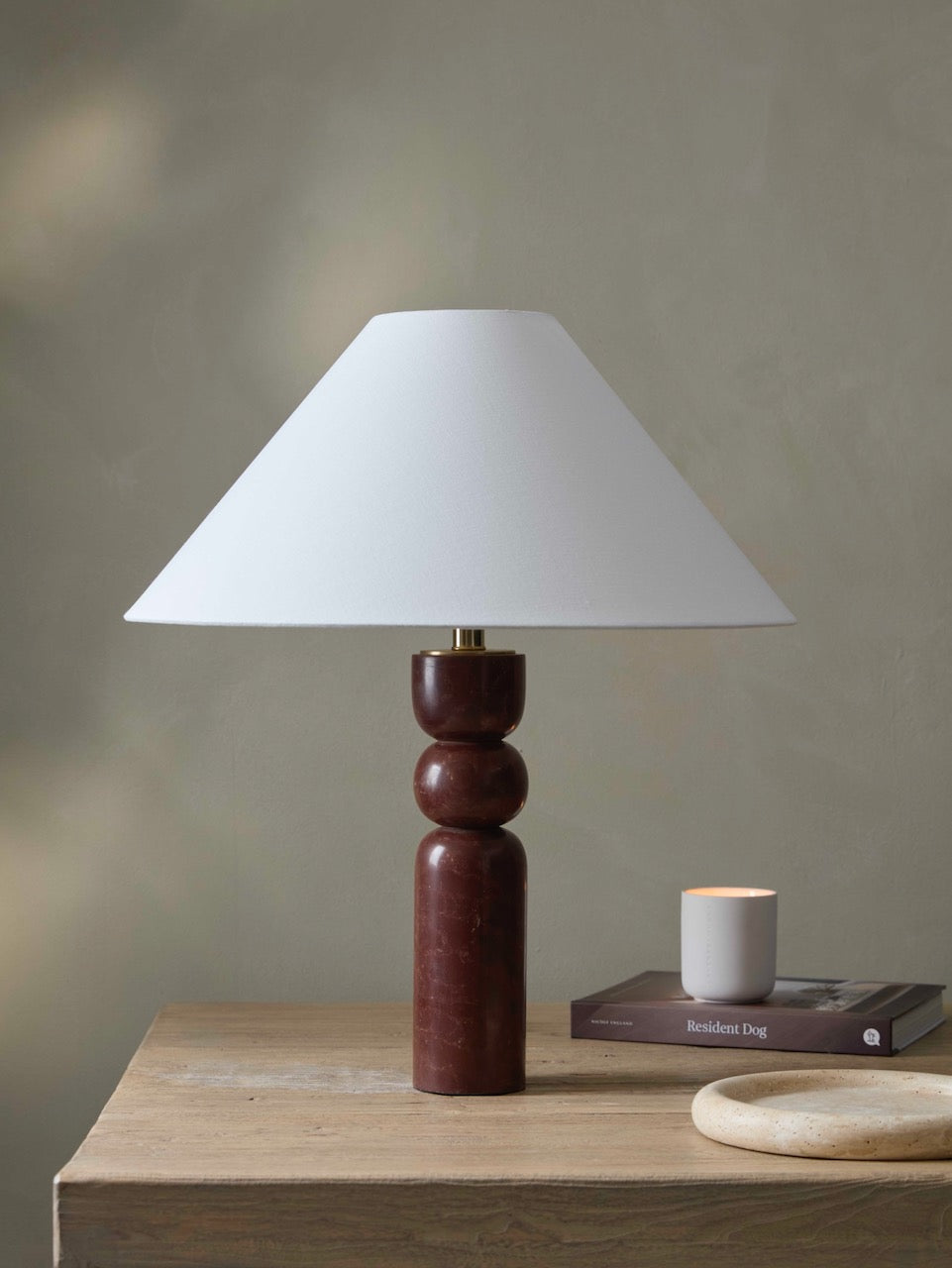
Marama Marble Table Lamp
Sale price£220.00
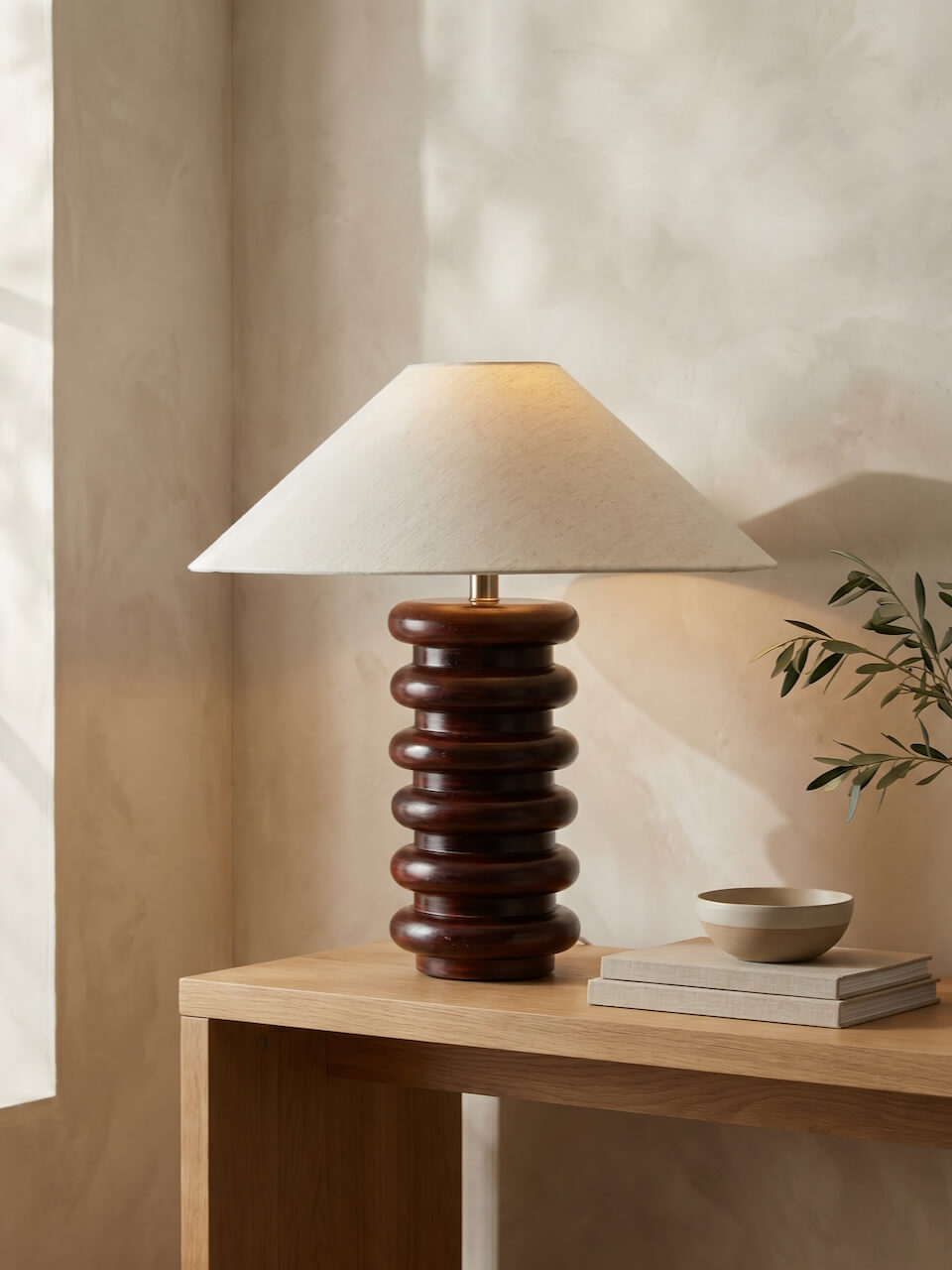
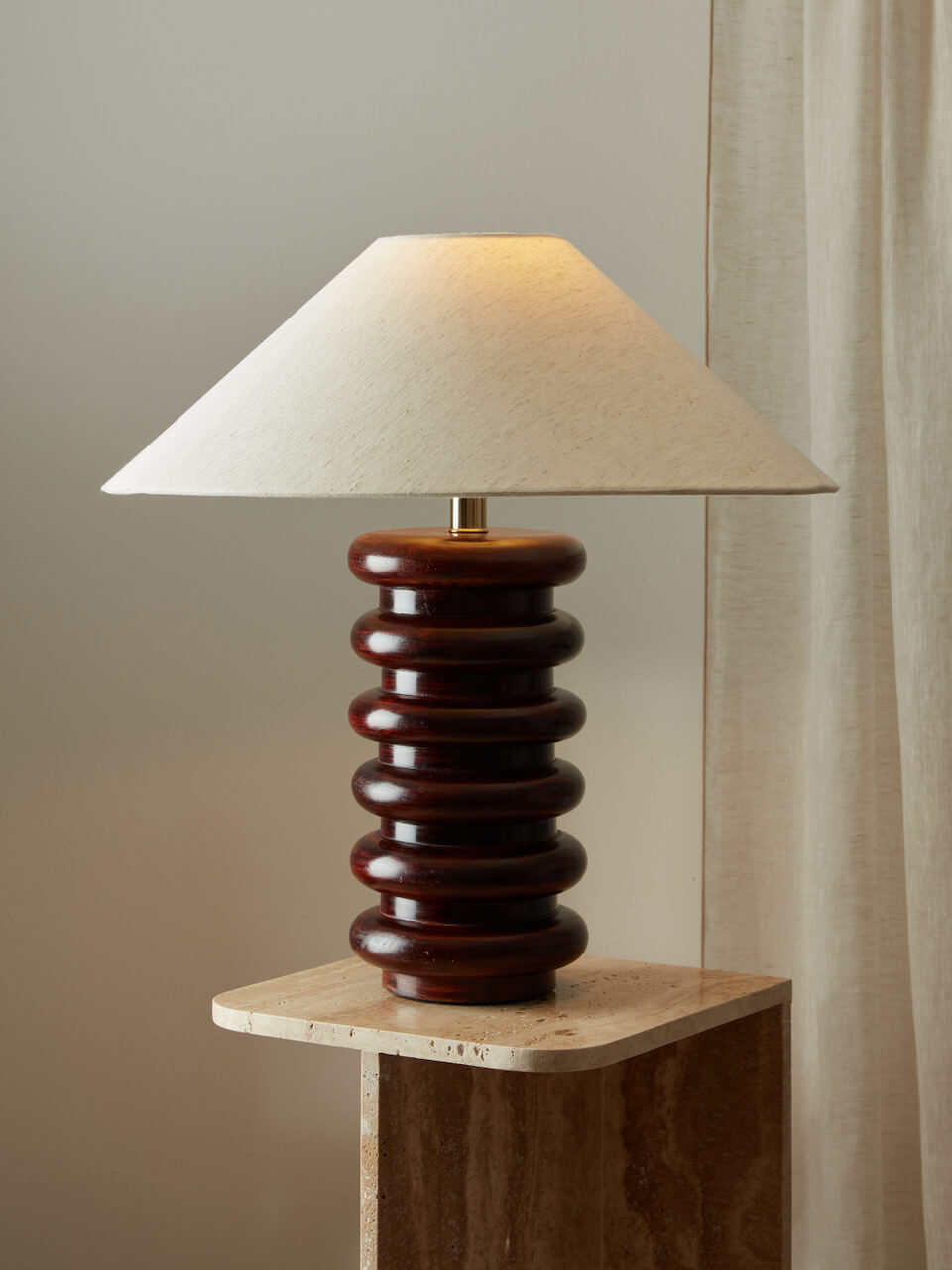
Uri Wooden Table Lamp
Sale price£210.00
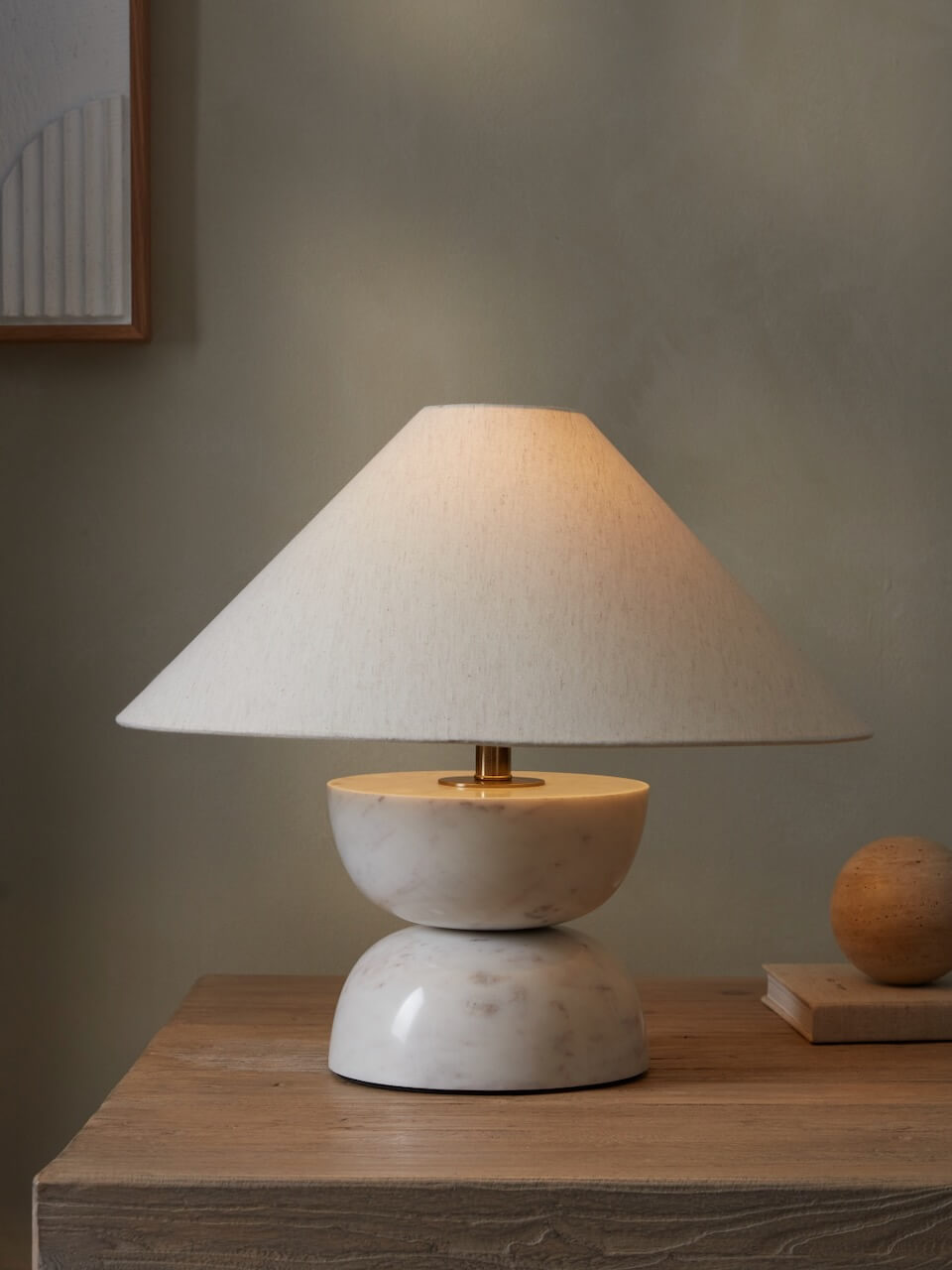
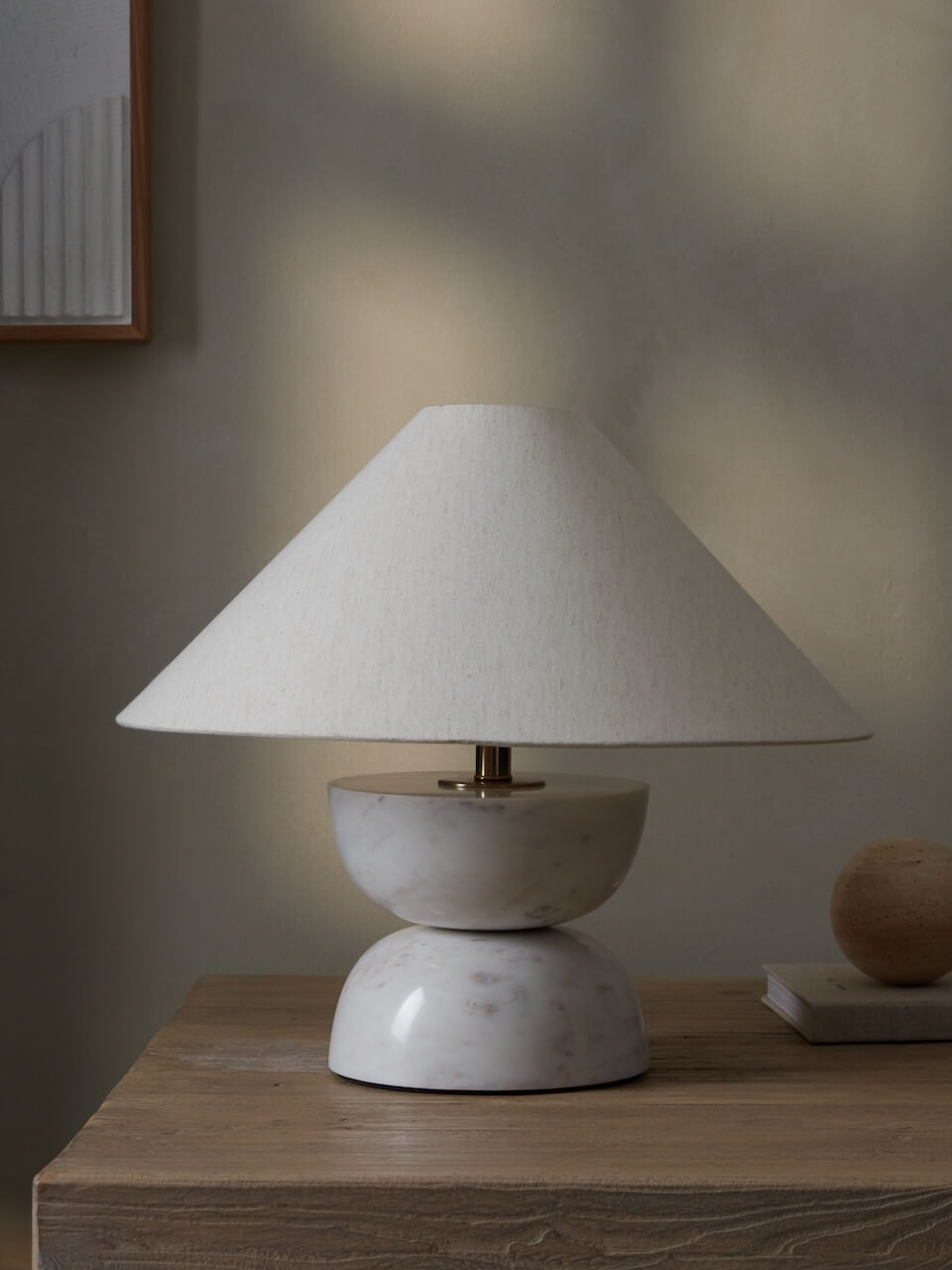
Dallshi Marble Table Lamp
Sale price£250.00
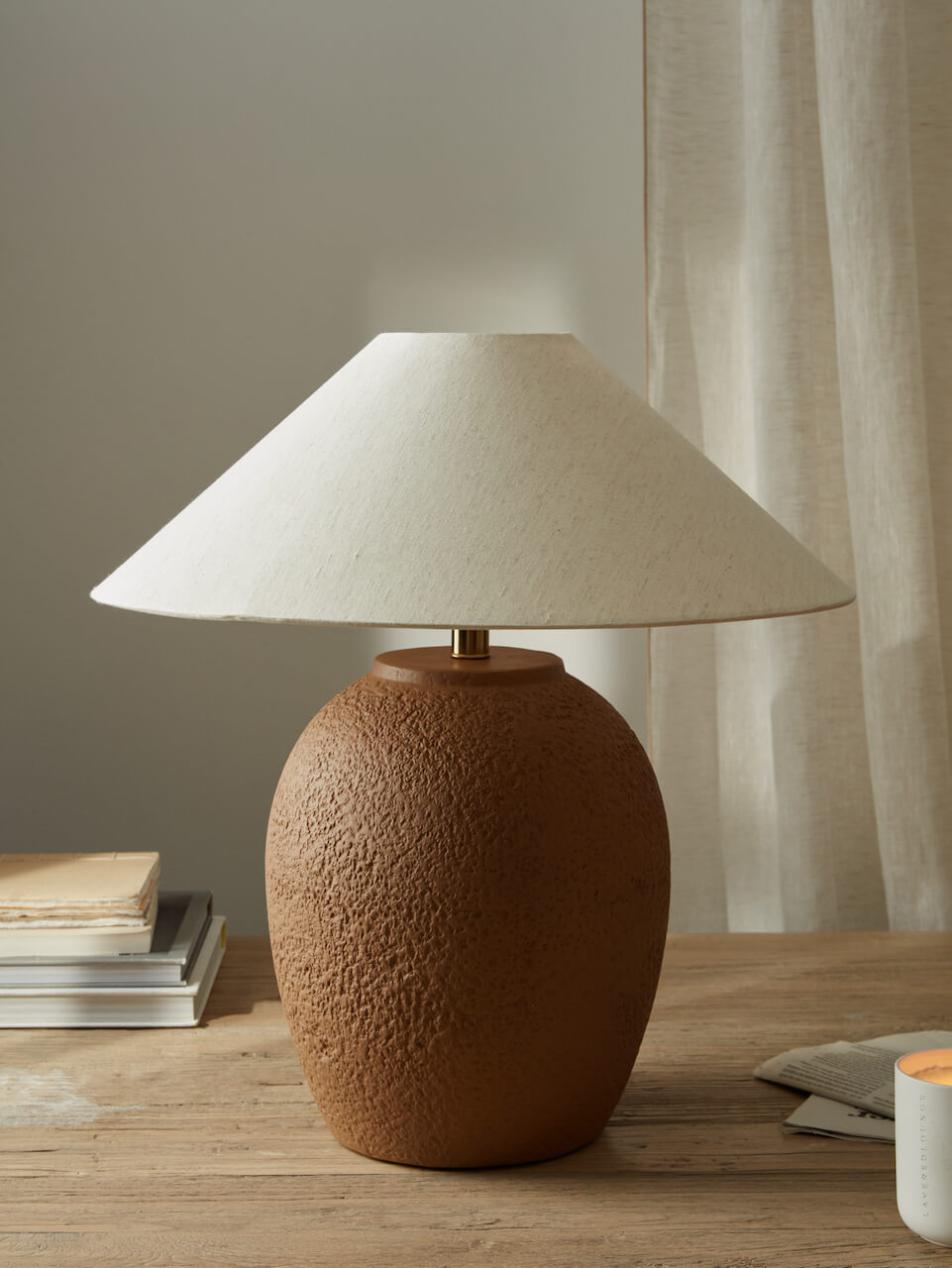
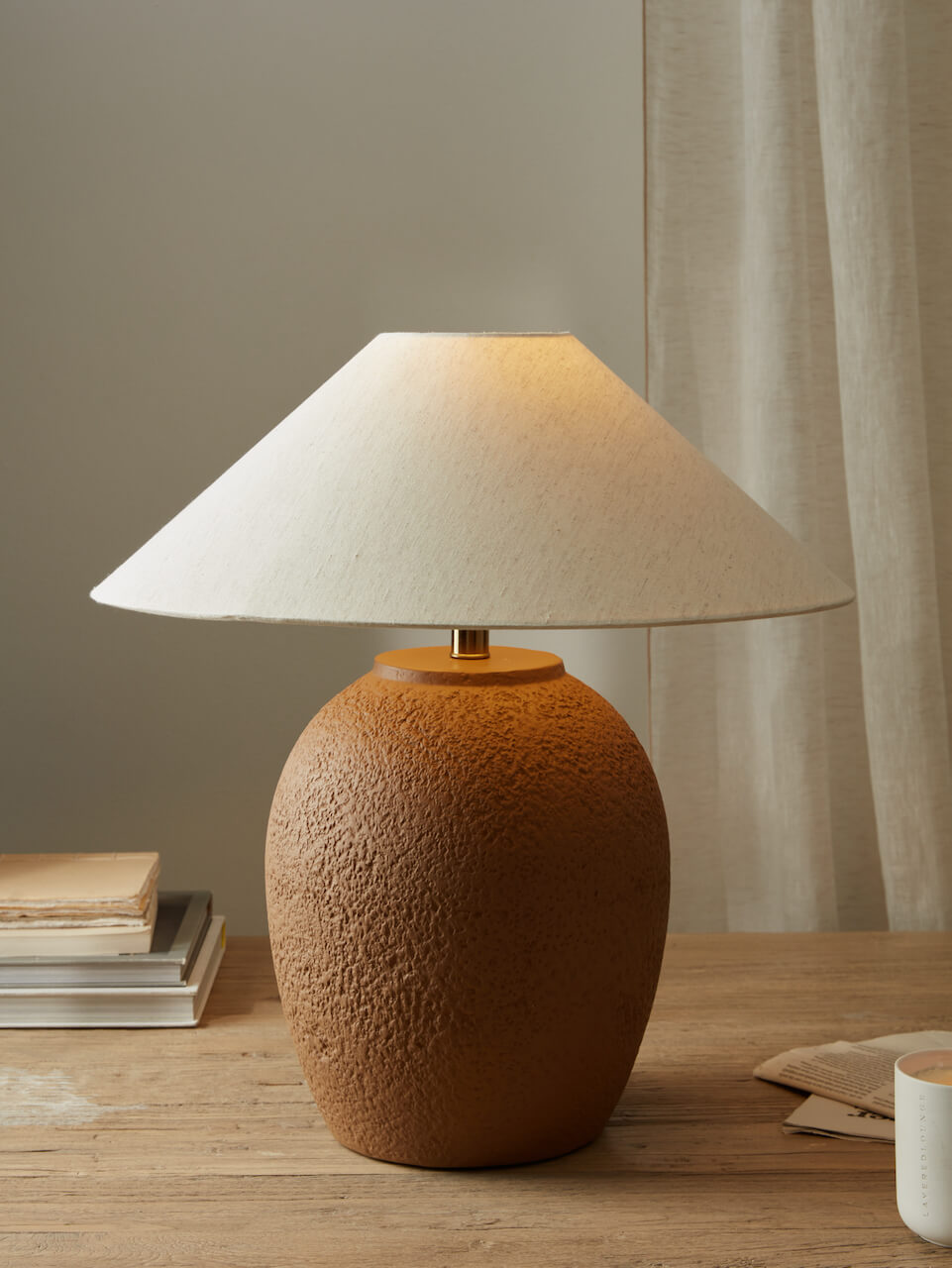
Oran Ceramic Table Lamp
Sale price£185.00
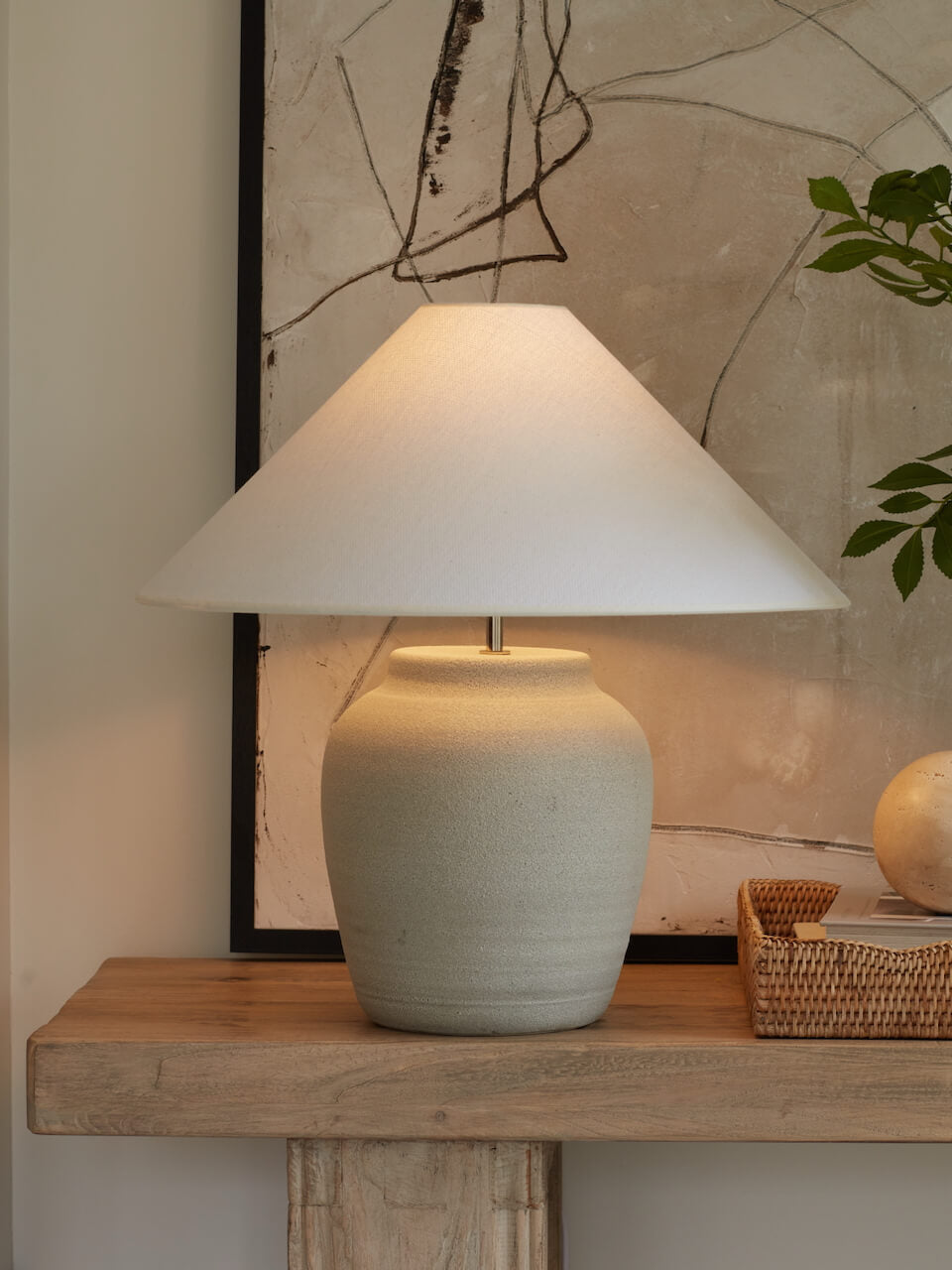
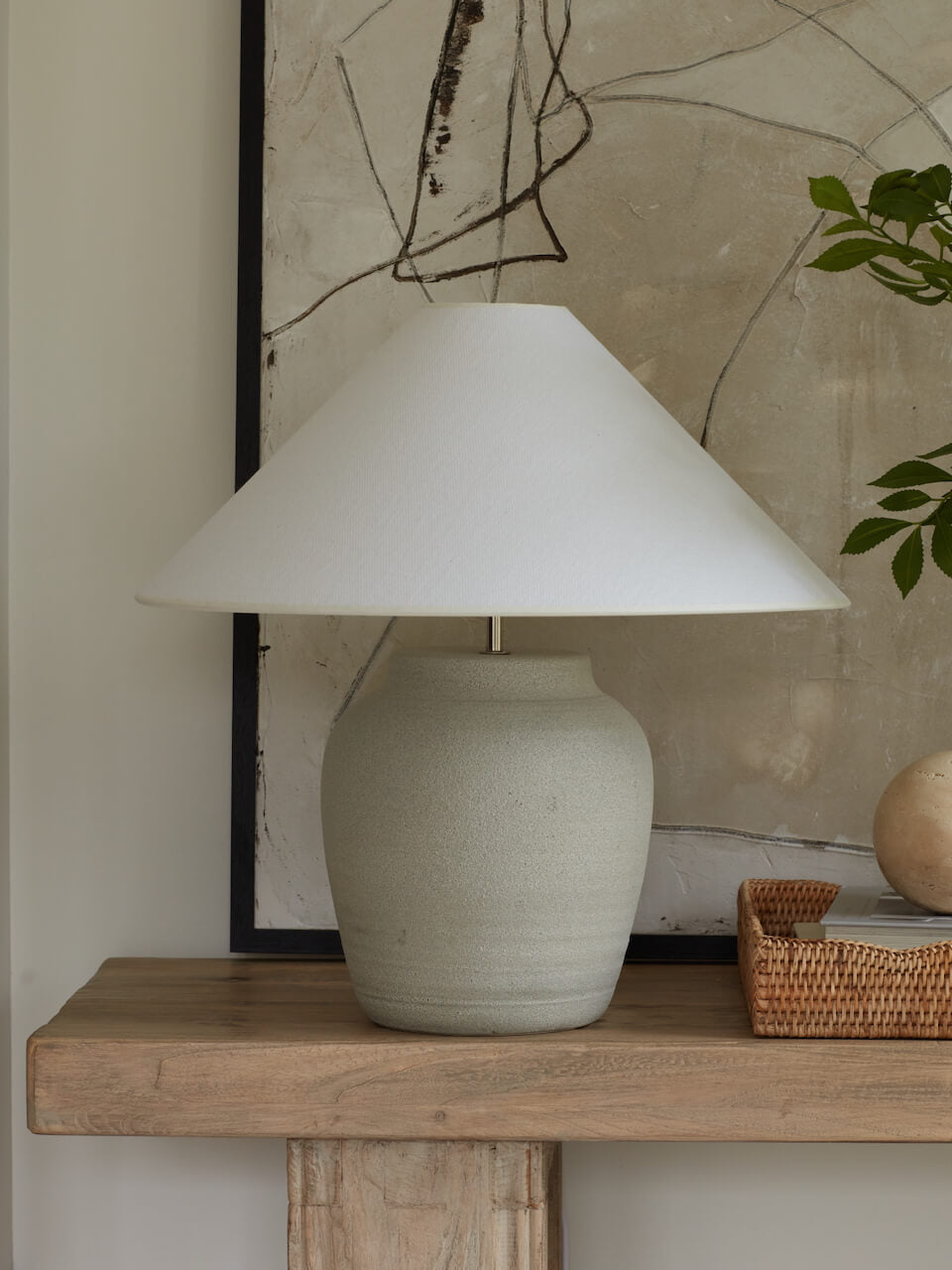
Haske Ceramic Table Lamp
Sale price£190.00
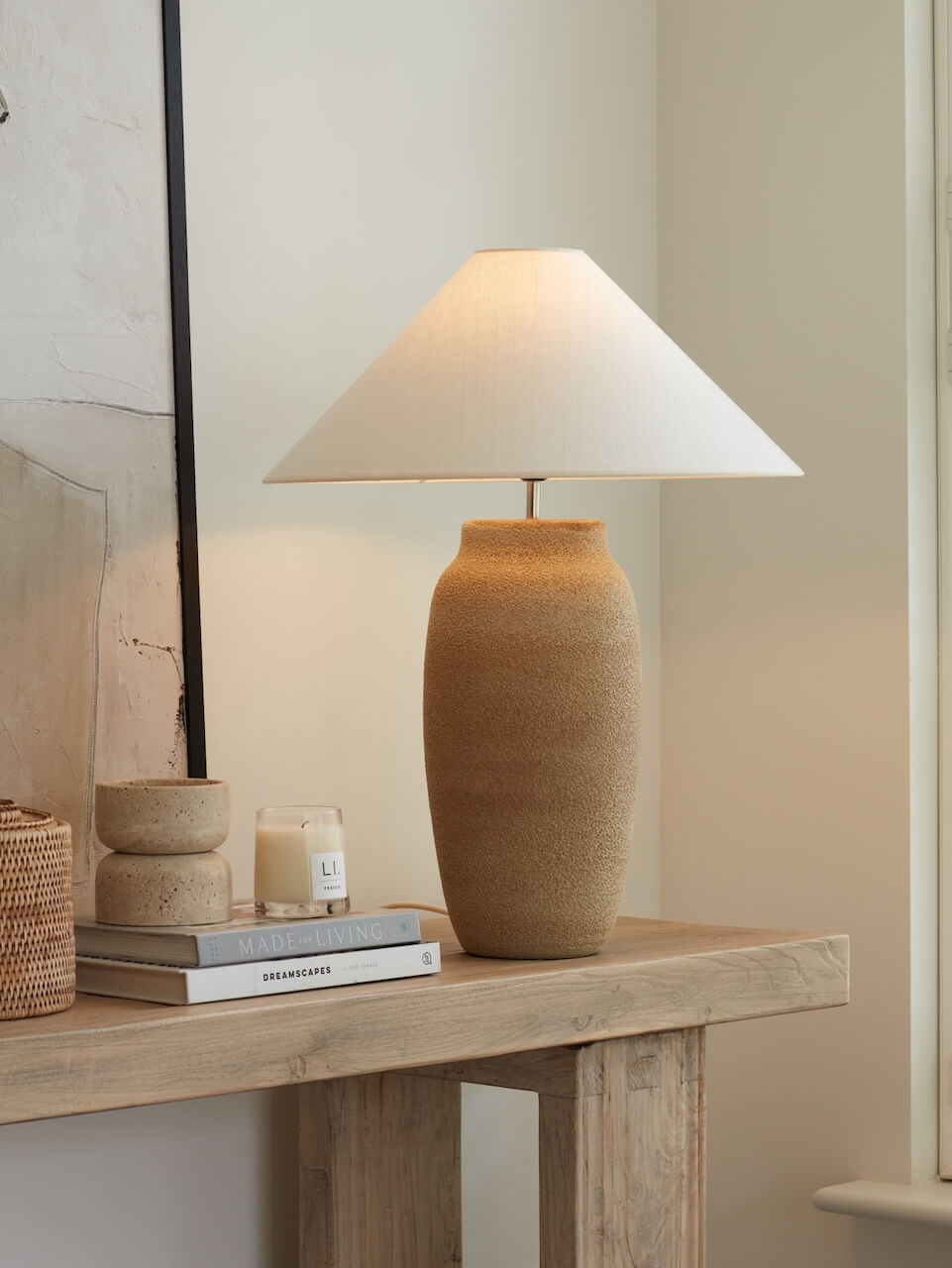
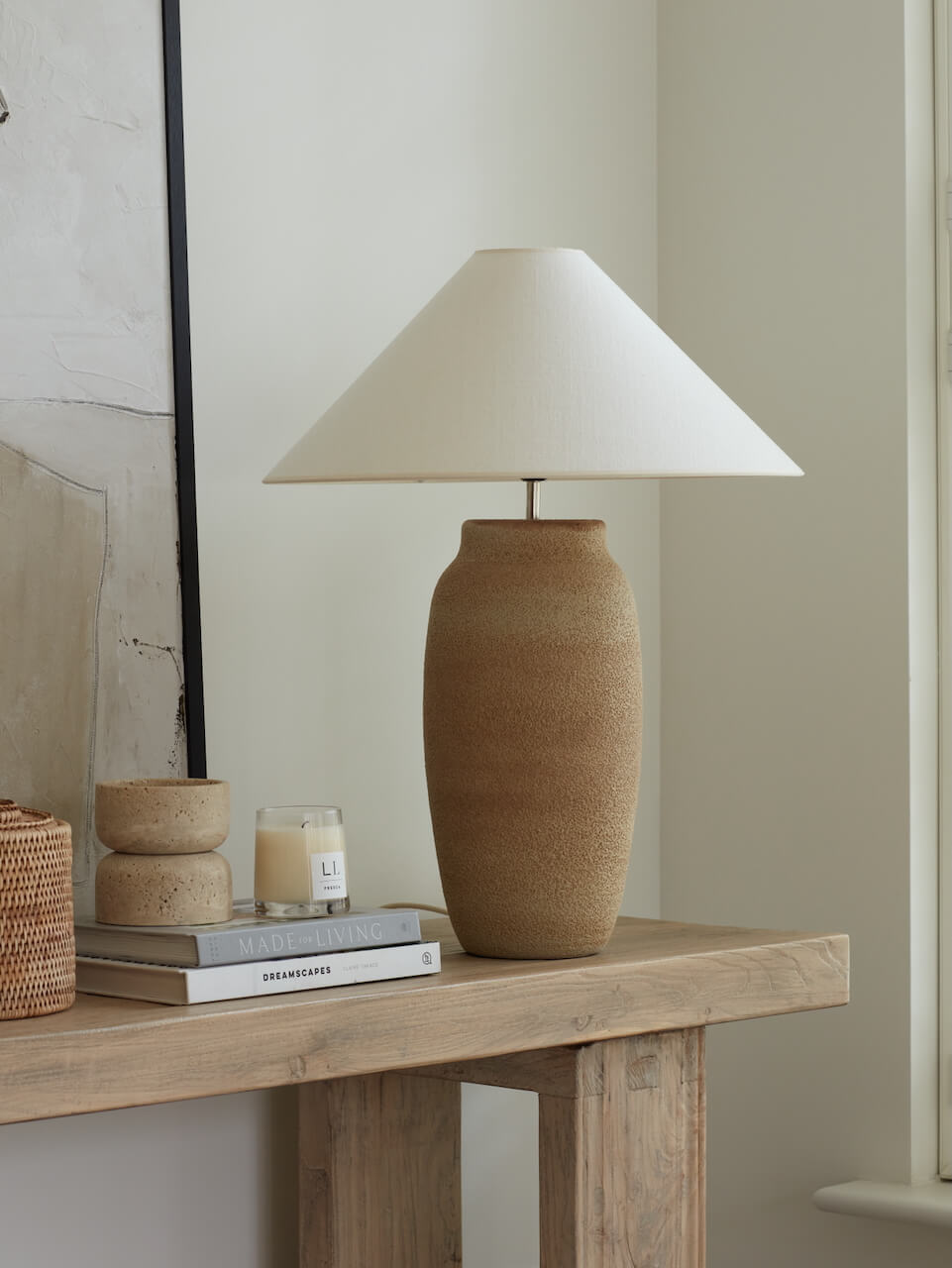
Lys Ceramic Table Lamp
Sale price£210.00
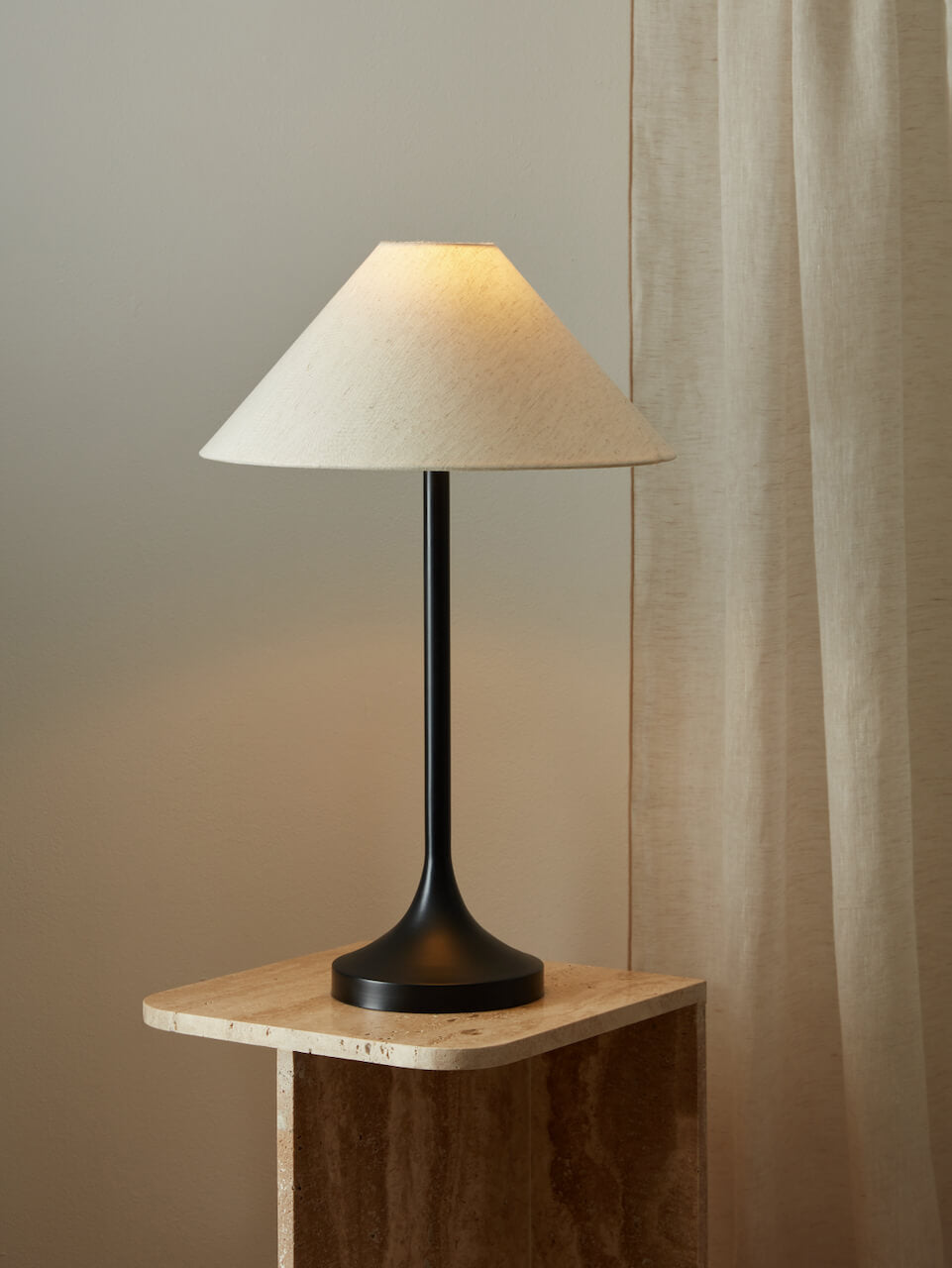
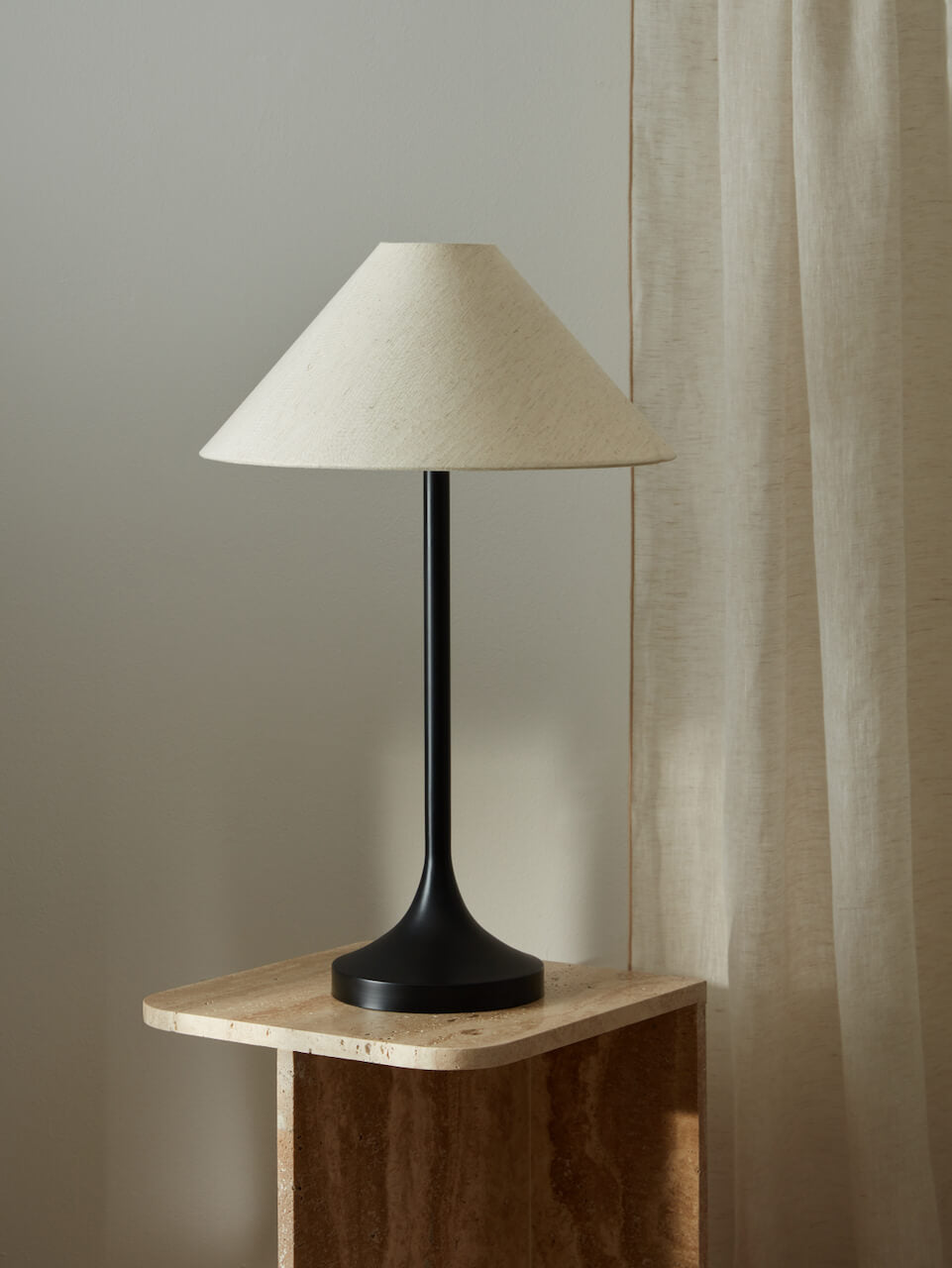
Ivar Black Table Lamp with Natural Shade
Sale price£135.00


Ivar Black Metal Floor Lamp with Natural Shade
Sale price£290.00


Zane Black Floor Lamp with Natural Fabric Shade
Sale price£295.00
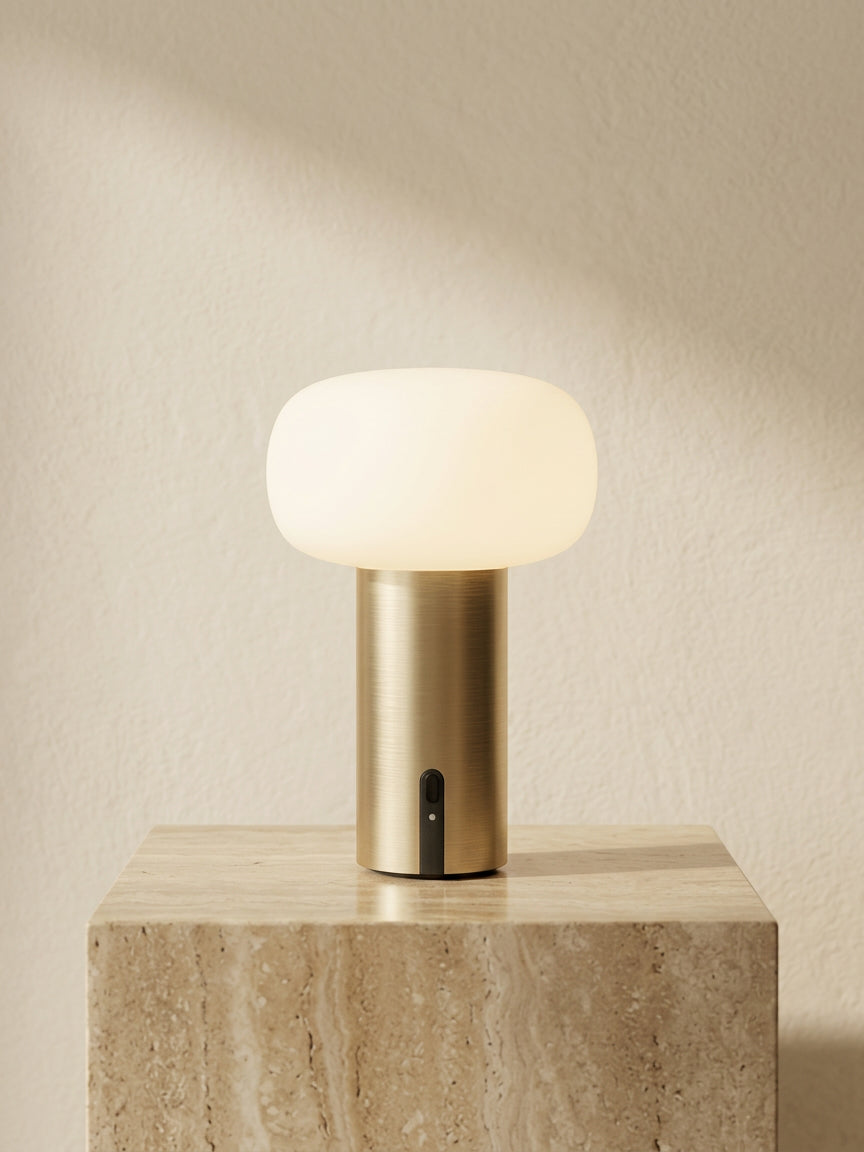
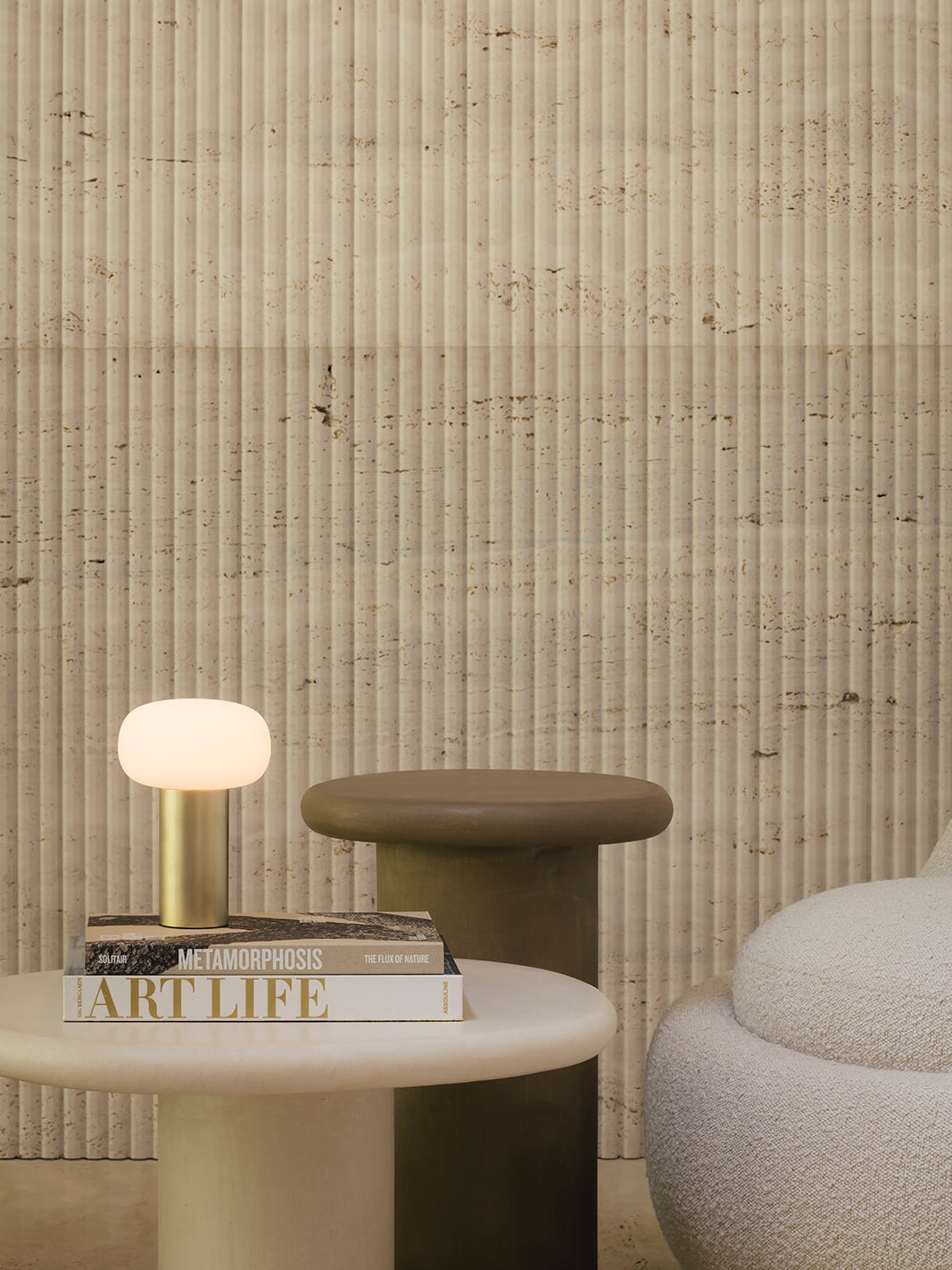
Rechargeable Table Lamp - Elba - Brushed Gold
Sale price£130.00
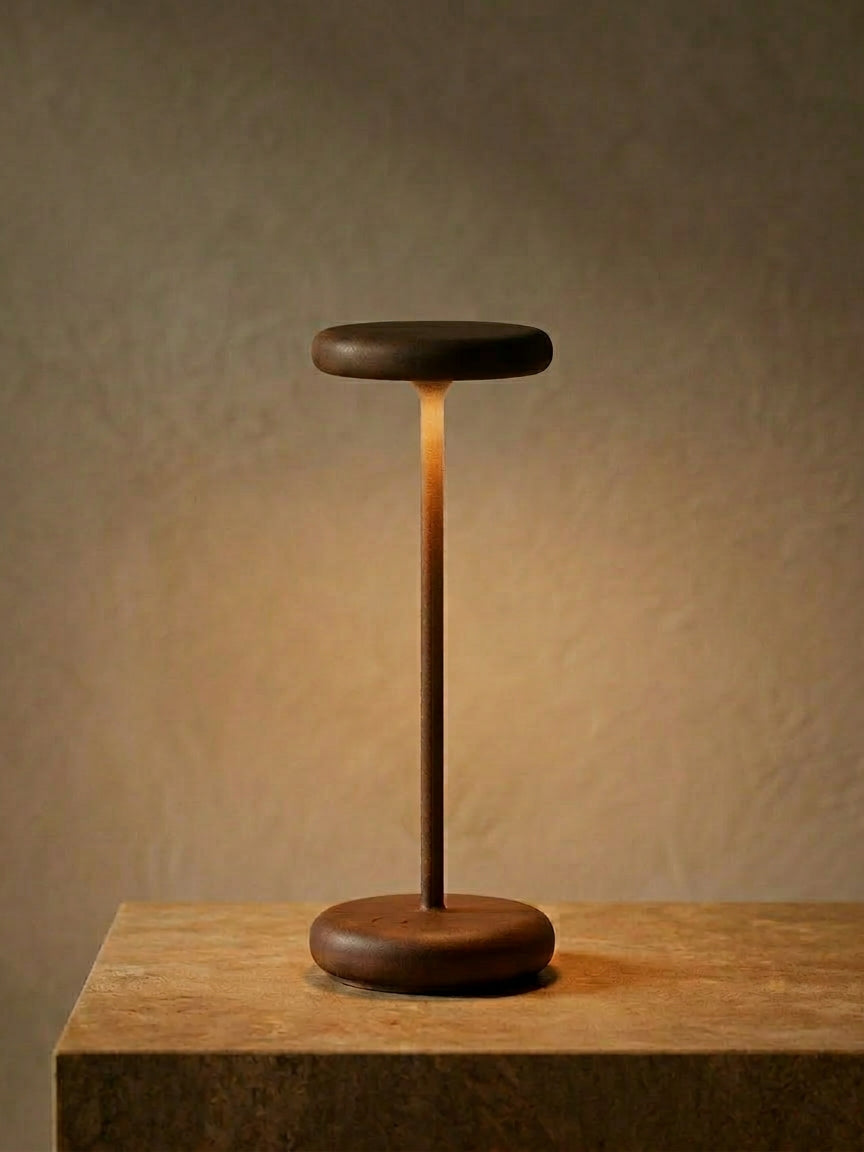
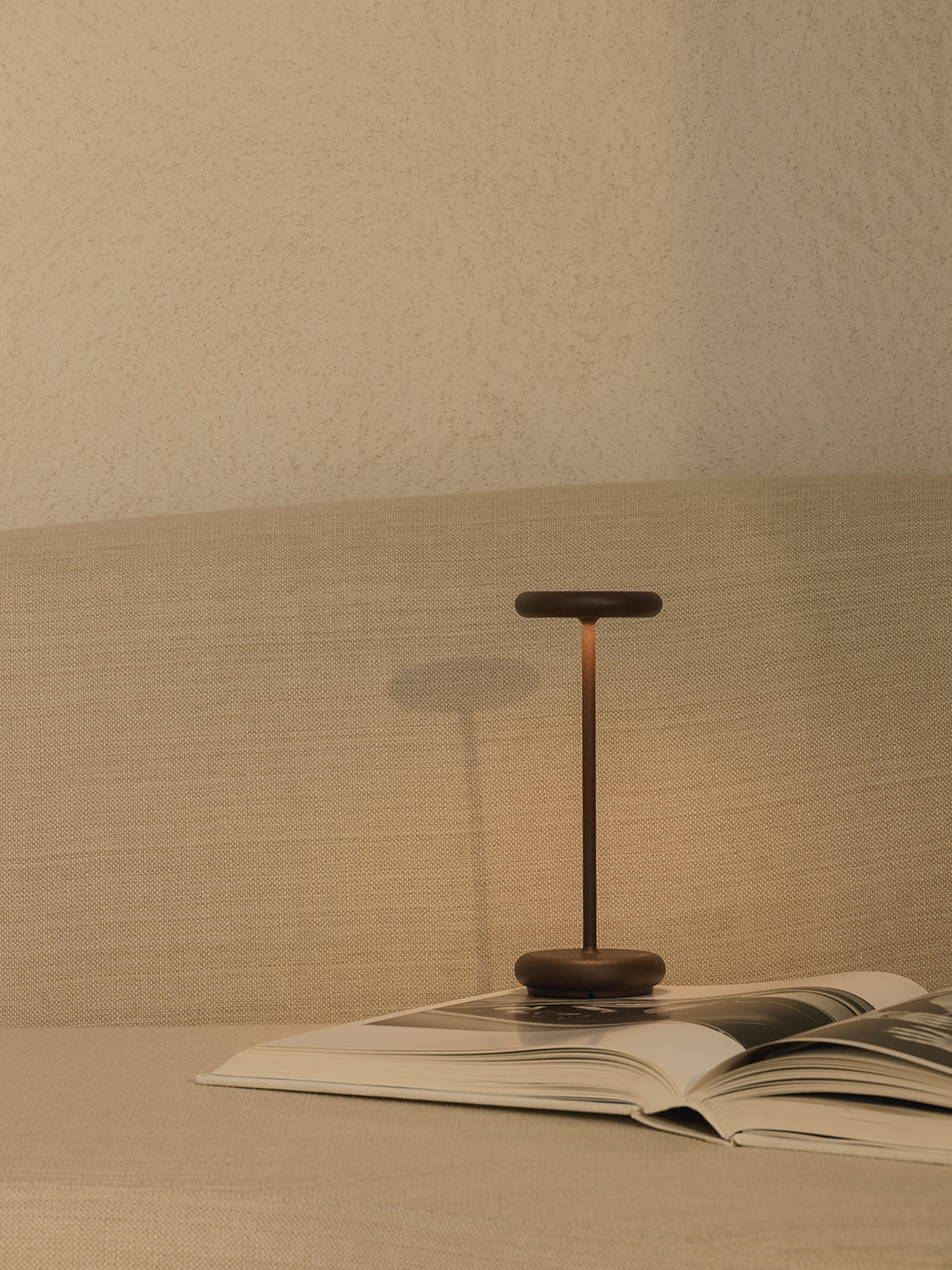
Rechargeable Table Lamp - Lana - Corten
Sale price£95.00
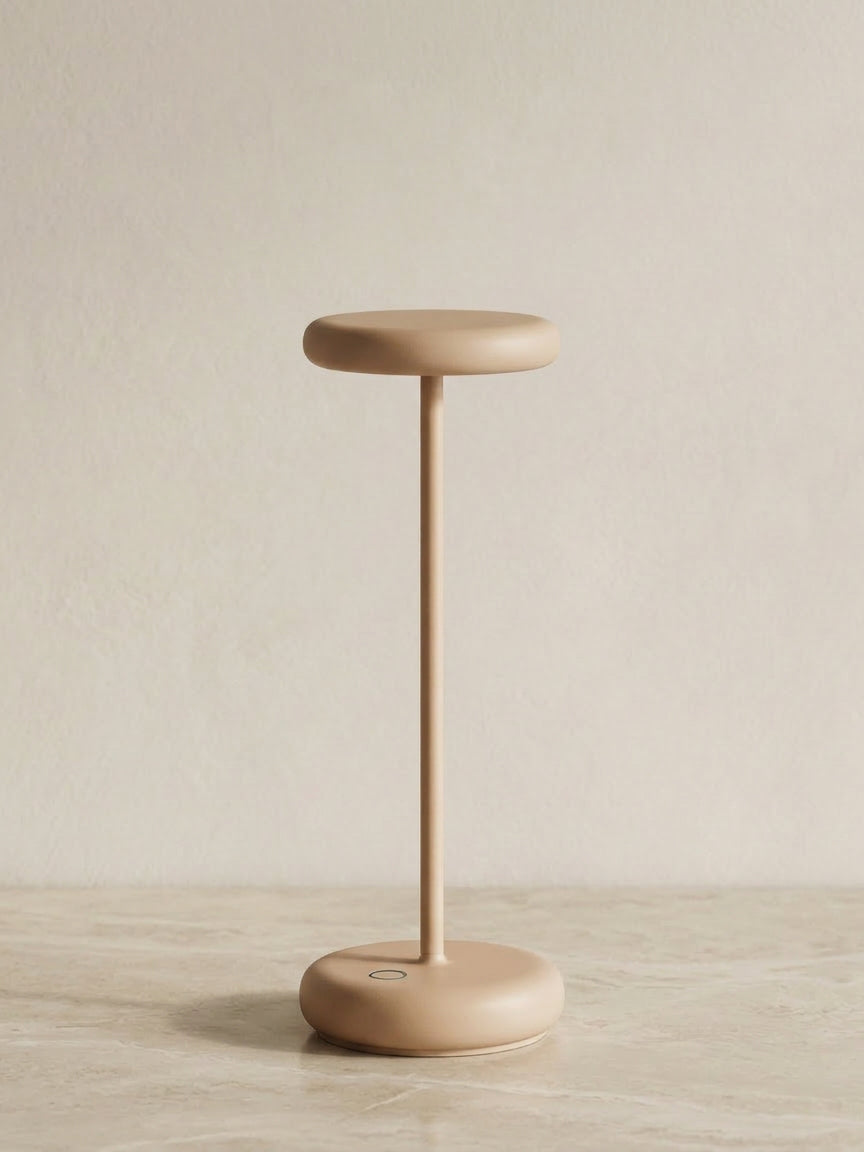
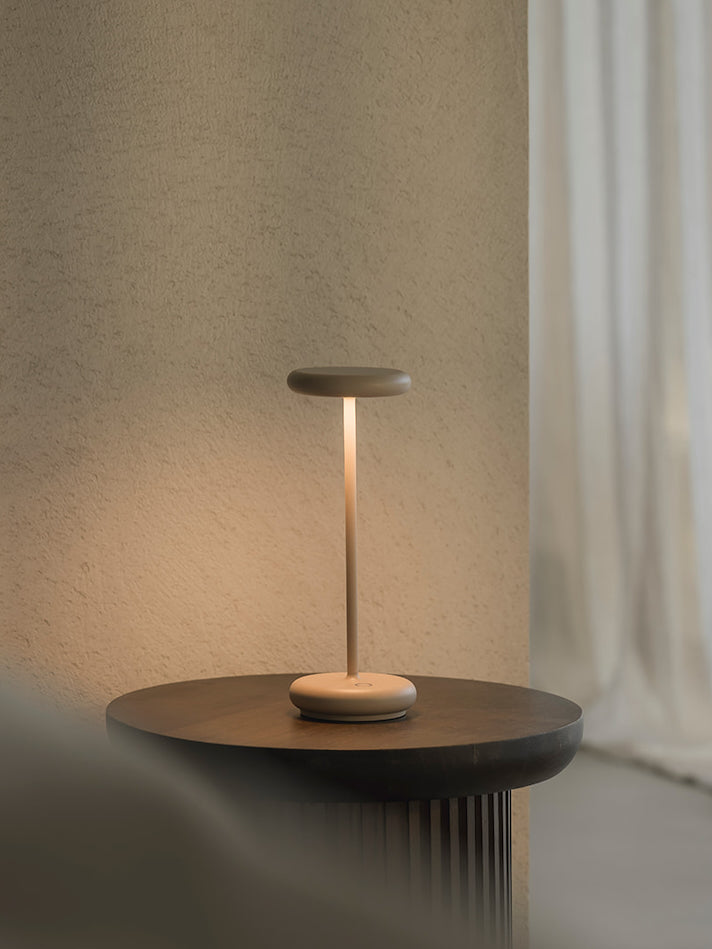
Rechargable Table Lamp - Lana - Sand
Sale price£95.00
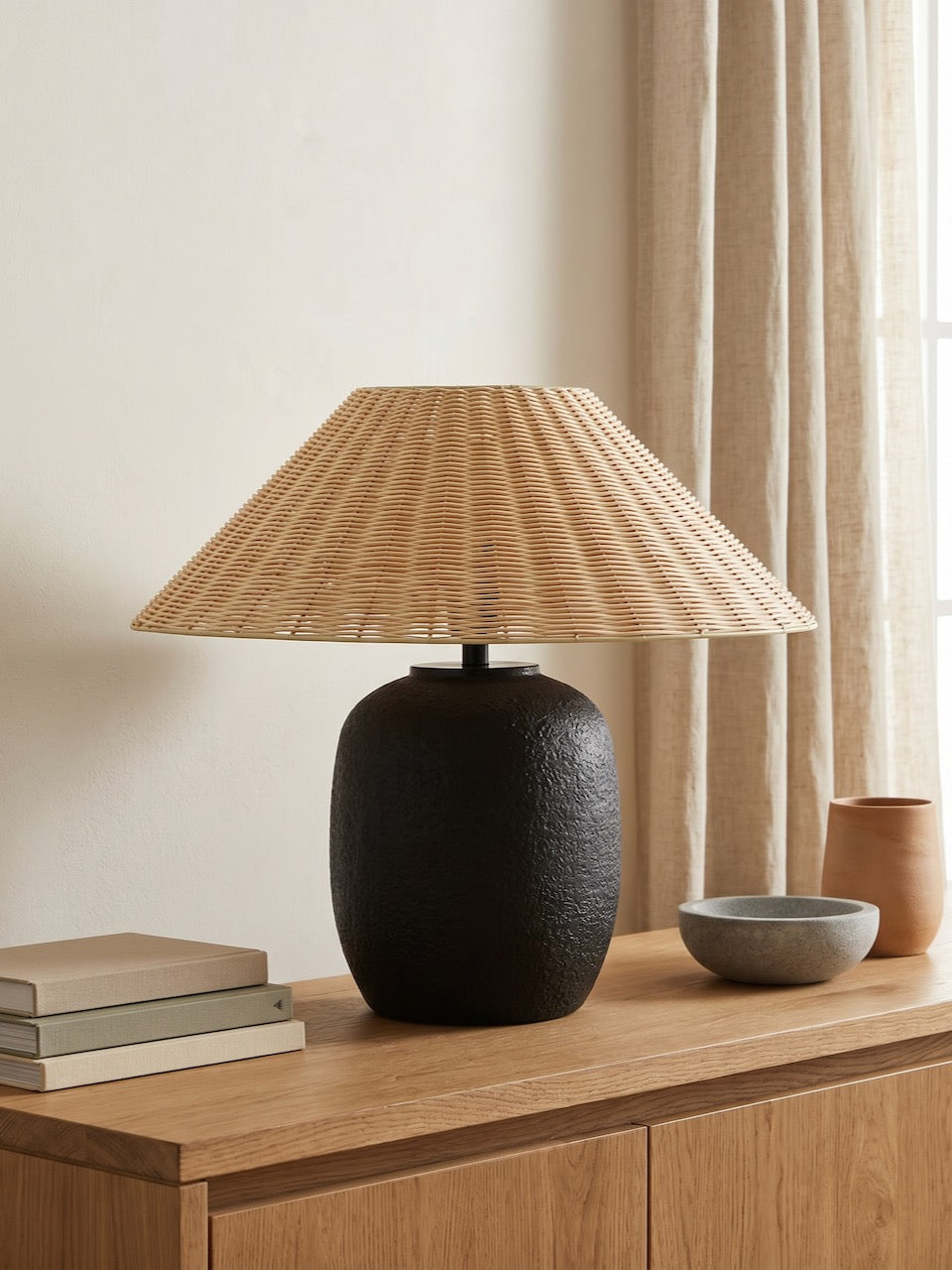
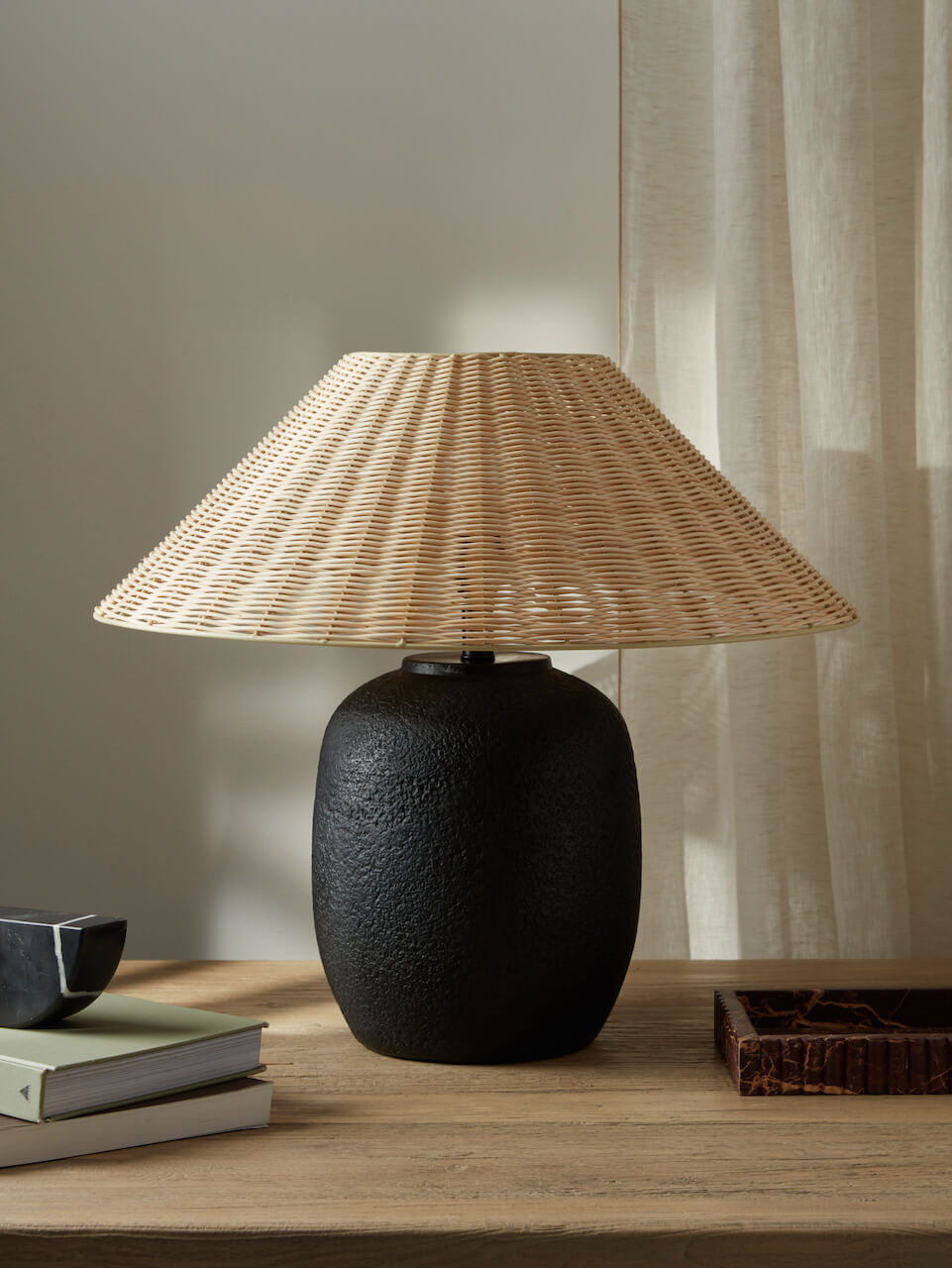
Ligero Ceramic Table Lamp with Rattan Shade
Sale price£97.50
Regular price£195.00
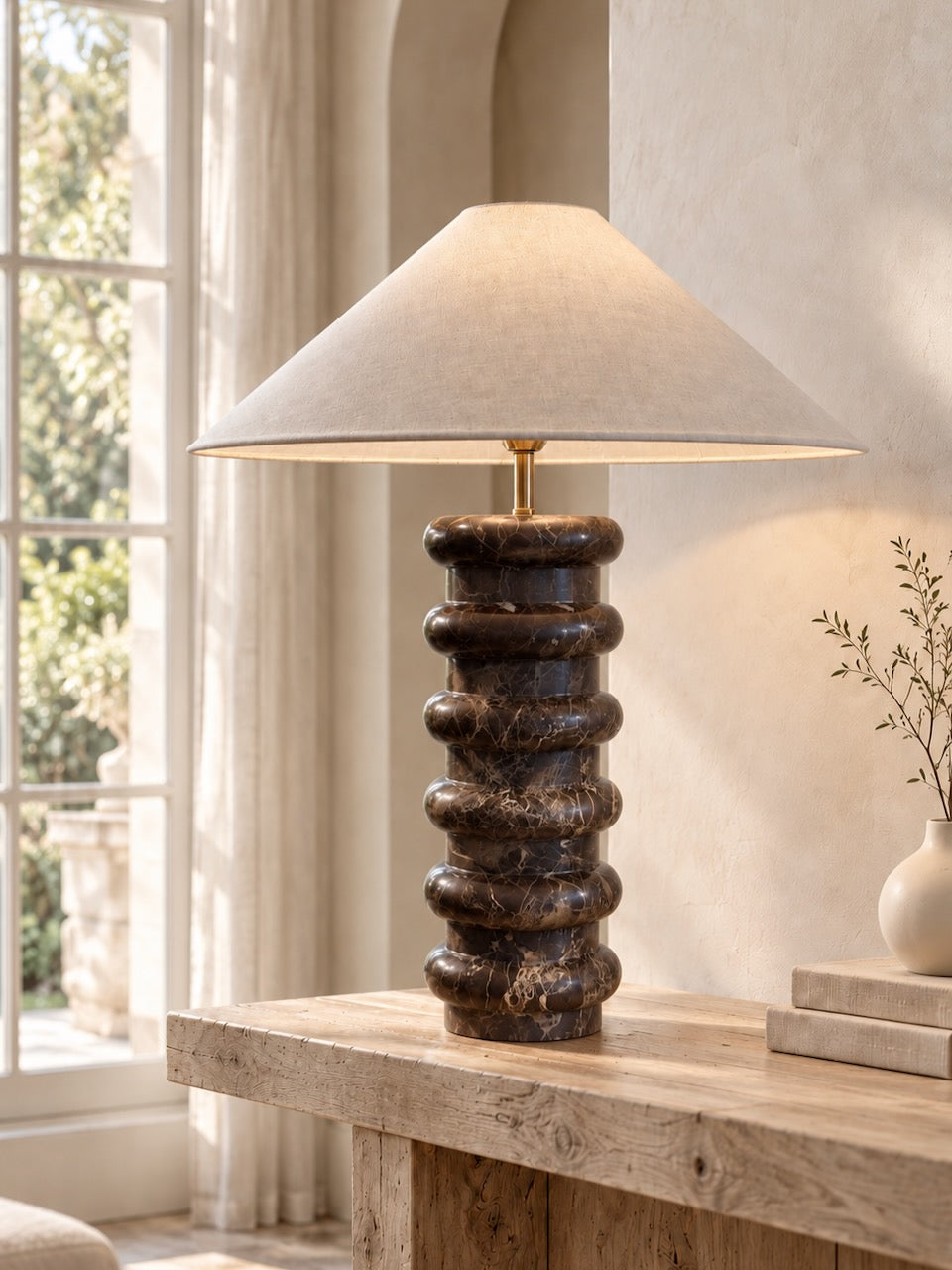
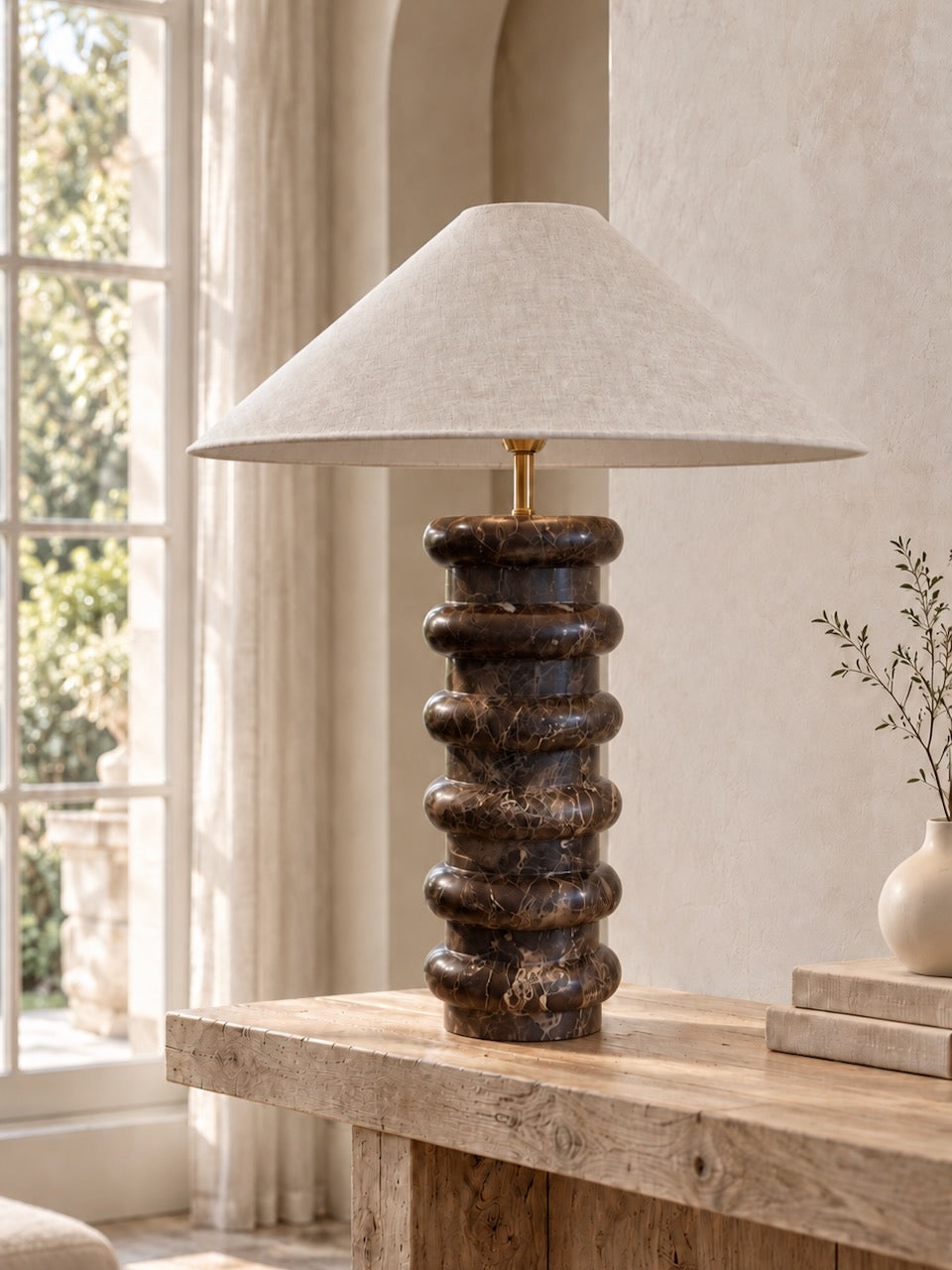
Theia Dark Emperor Marble Lamp & Shade
Sale price£450.00
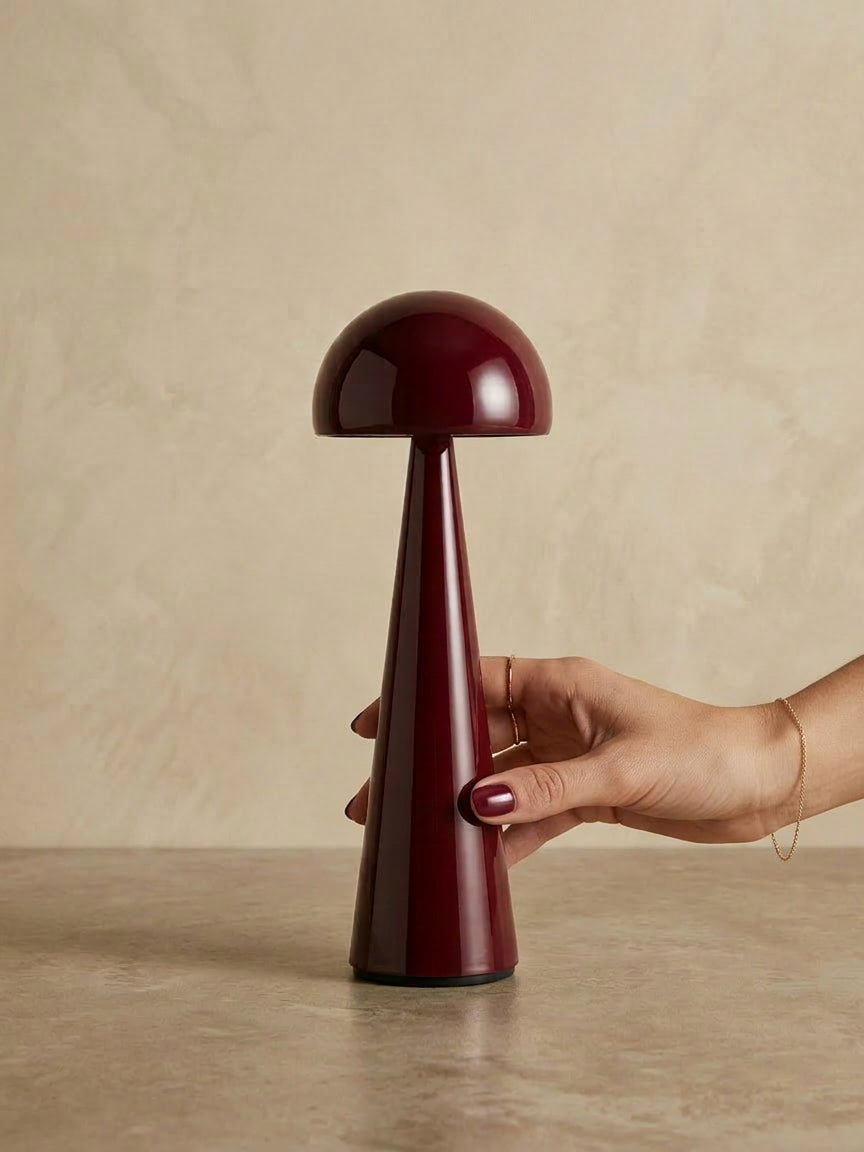
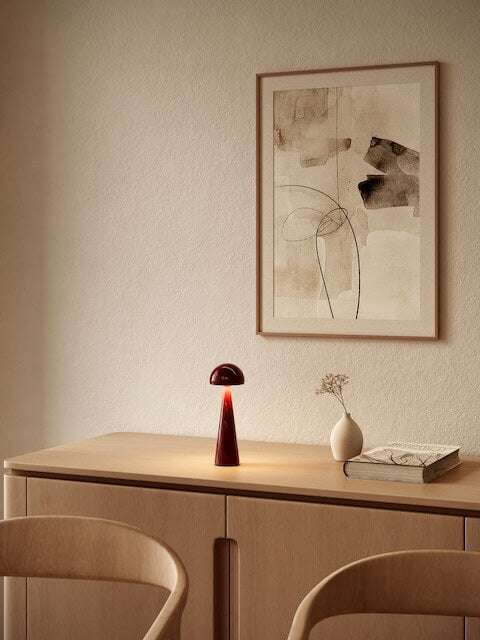
Rechargeable Table Lamp - Zanzi- Burgundy
Sale price£85.00
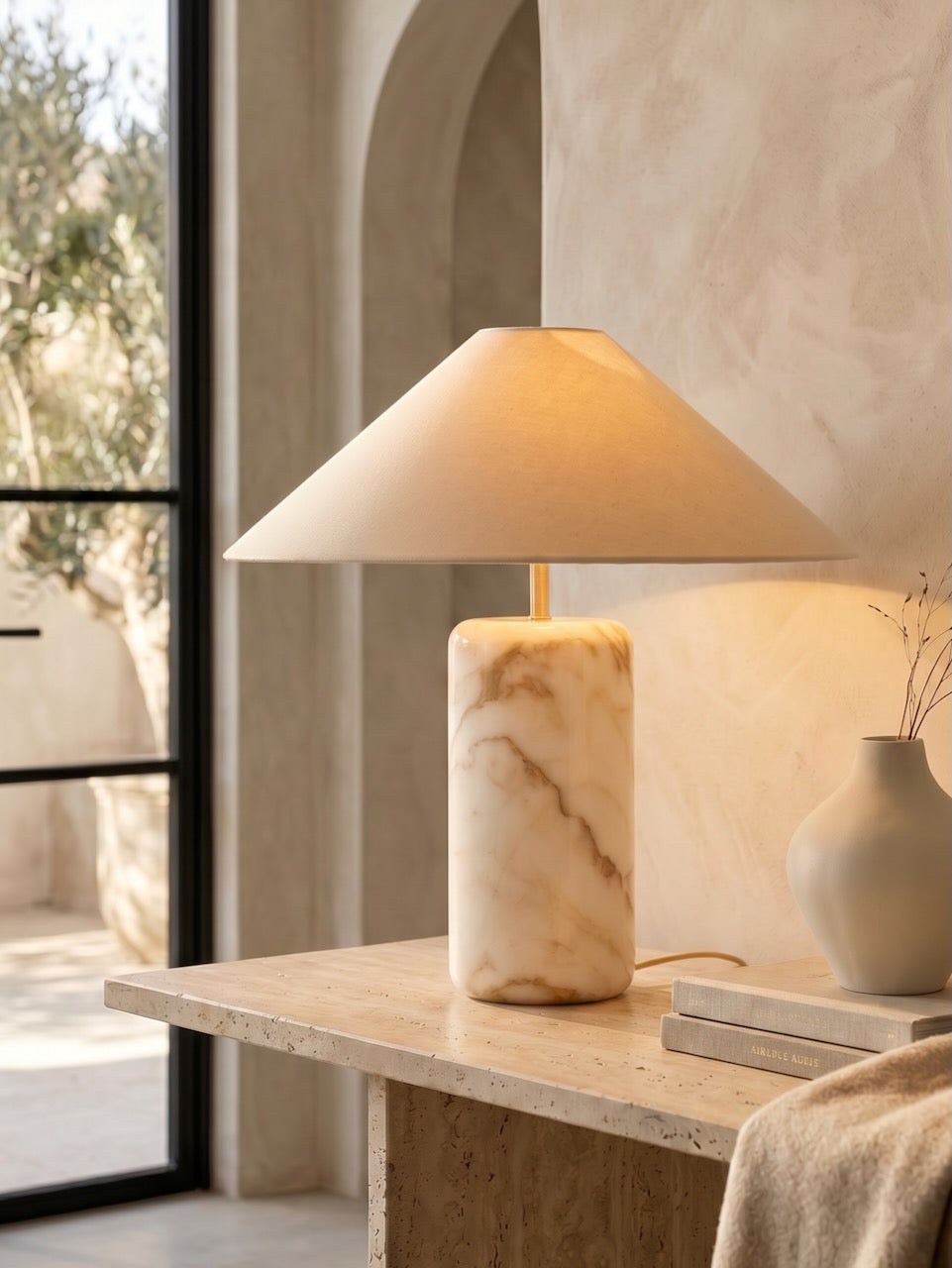
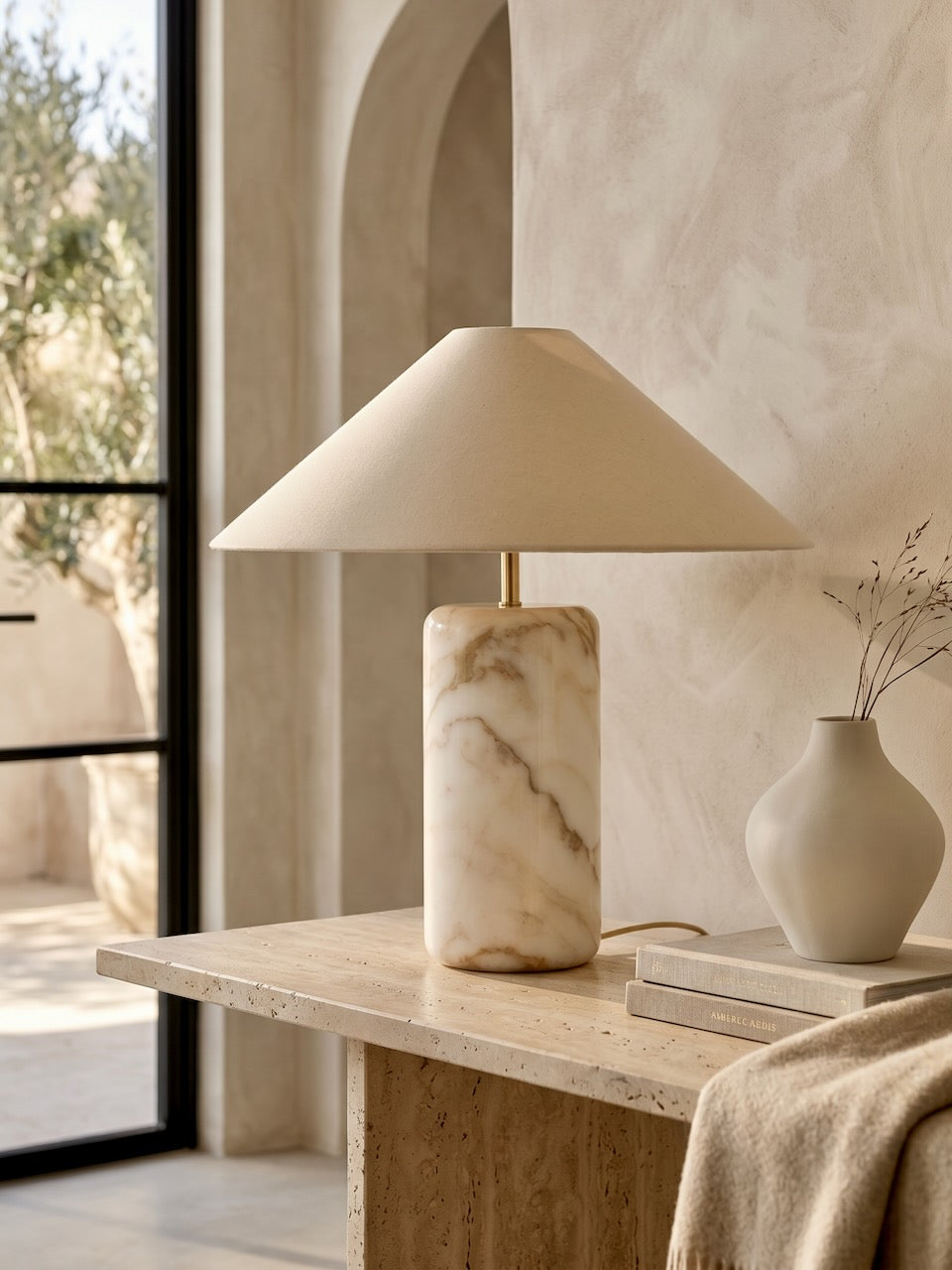
Nura Calacatta Gołd Marble Table Lamp & Shade
Sale price£255.00
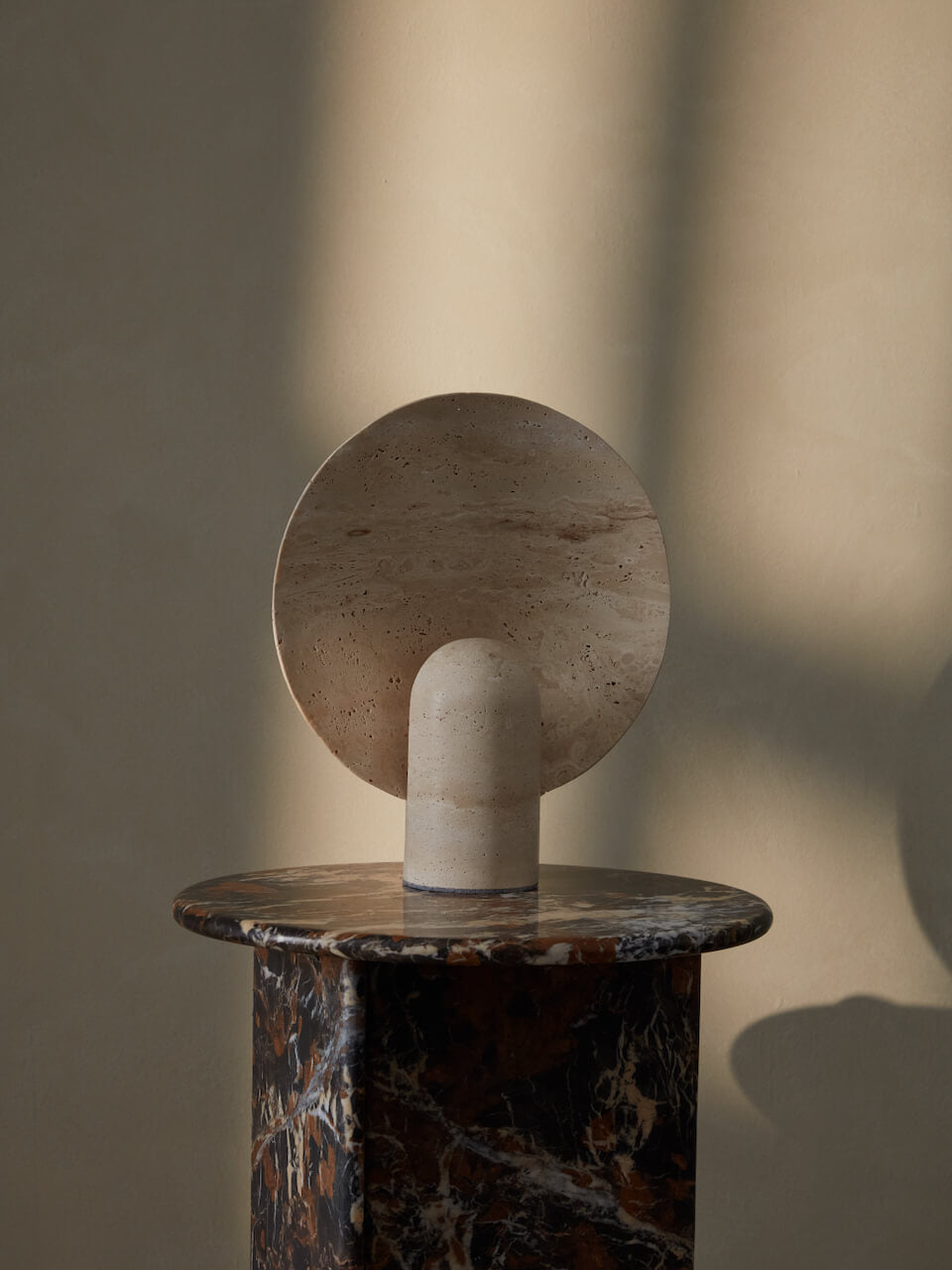
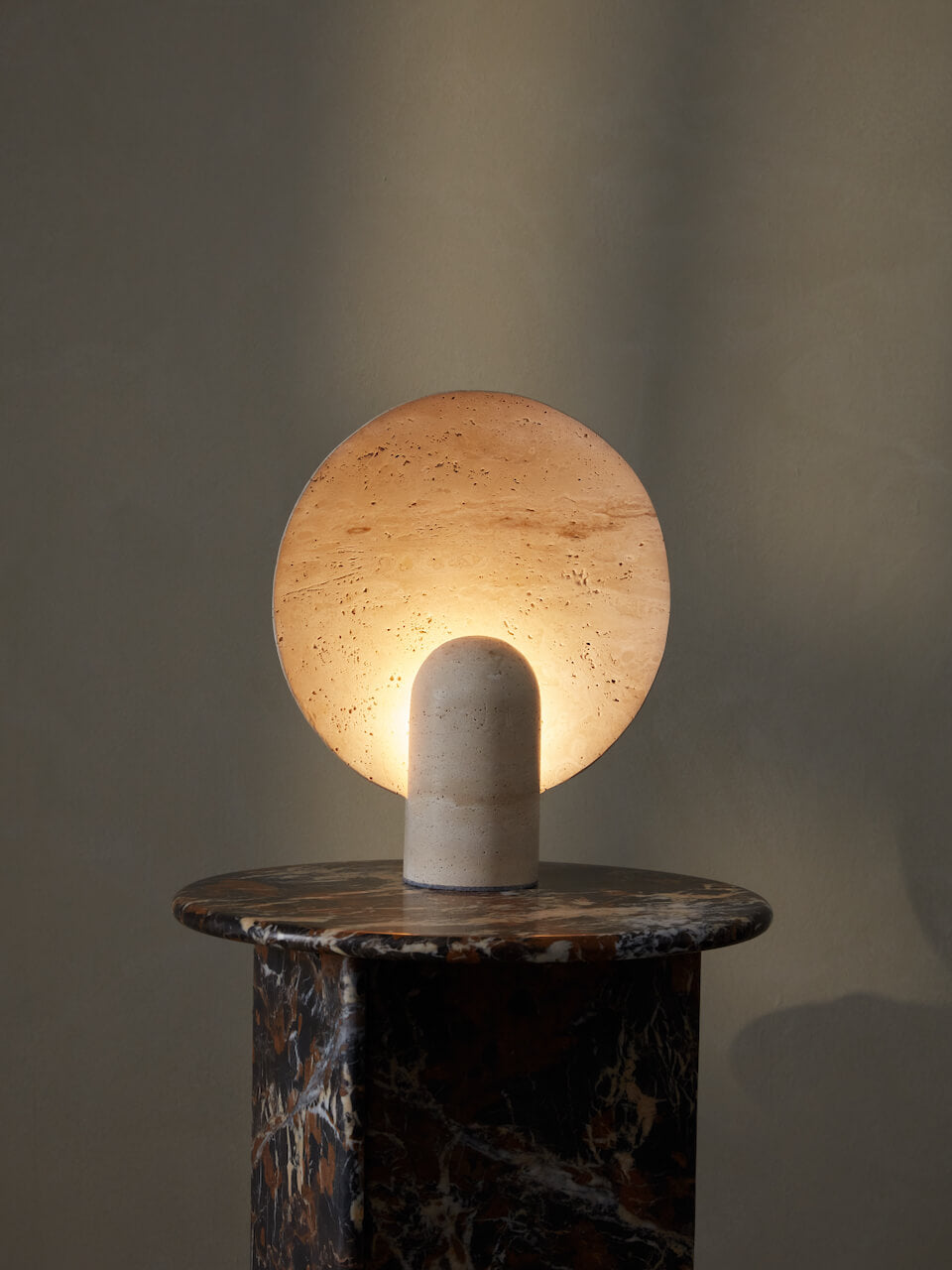
Kiran Travertine Lamp
Sale price£265.00
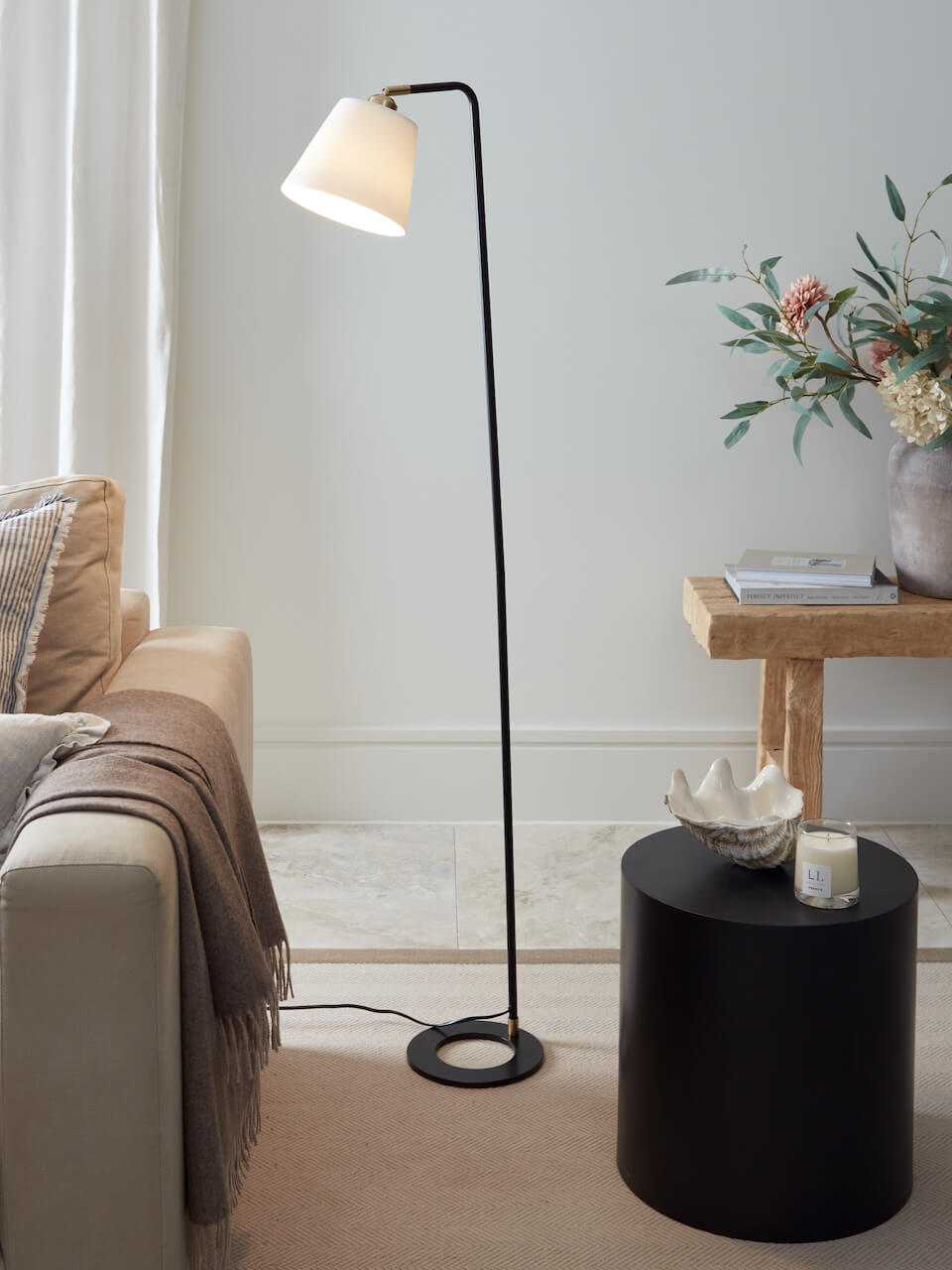
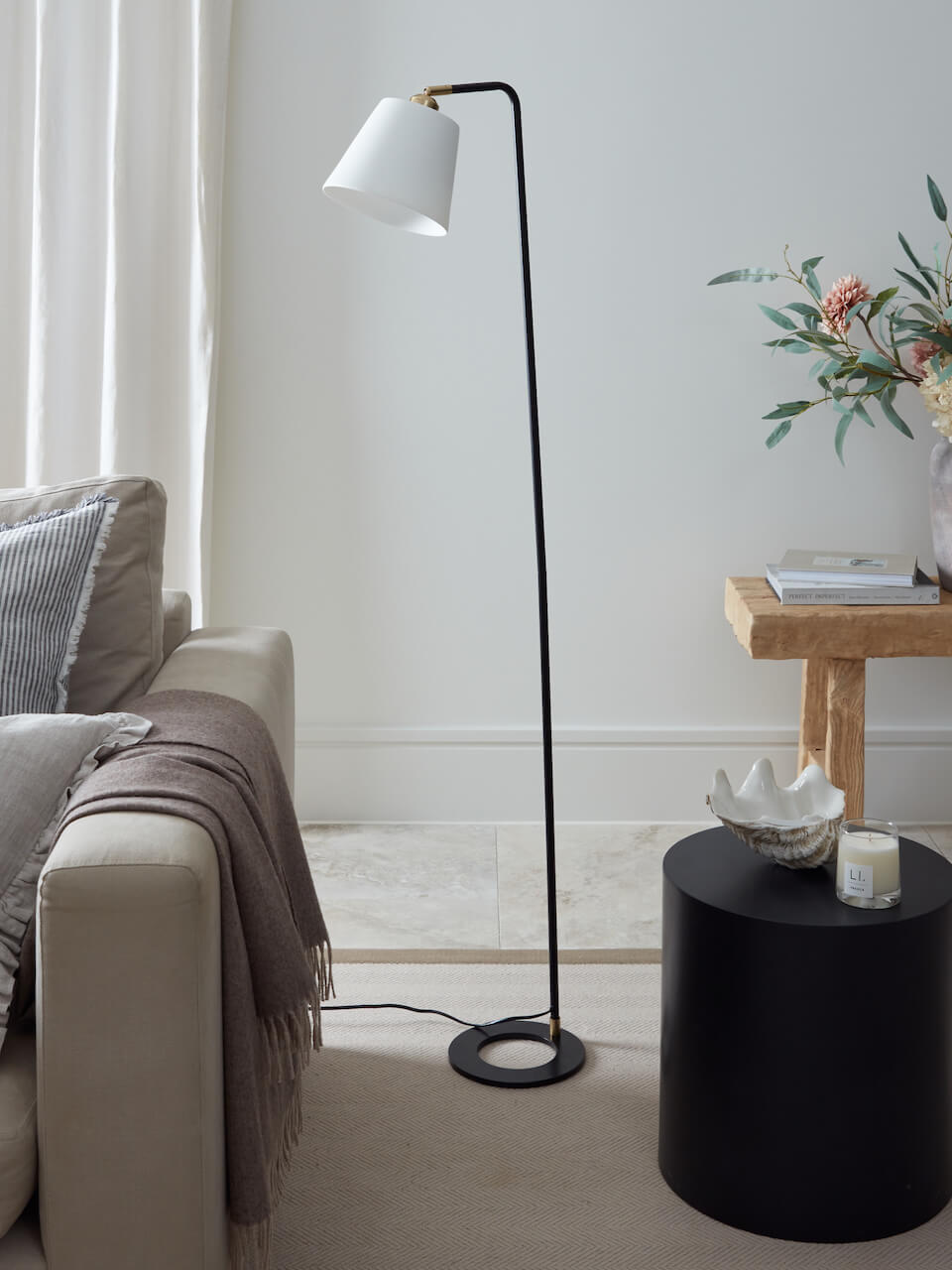
Hoshi Black Porcelain Floor Lamp & Shade
Sale price£75.00
Regular price£150.00
Collection Guide
Light, Layered with Purpose
01 Inspired by the Way We Live
Read the mood of the room first; lighting should strengthen it rather than feel added afterwards. In living rooms, bedrooms, dining spaces and darker transitional areas, these lighting can build atmosphere, support tasks and soften the contrast between bright and shadowed parts of a room, without making the space feel over-composed. Before choosing lighting, notice what the room lacks in shape, texture or height and use the new layer to answer that gap. For a Layered Lounge interior, layer light at different heights and use warm-toned illumination to connect separate areas of the room. For lighting, a palette of warm white light, marble, aged metal, linen and dark wood holds the scheme together while leaving room for tonal variation. The aim is visual kinship, not uniformity; lighting can relate to the room without copying every finish. Choose lighting for a clear purpose, then allow proportion and texture to make the decorative statement.
02 Crafted for Lasting Use
With lighting, quality rests on how material and making support the intended purpose. For lighting, look closely at base stability, proportion, shade construction and the way materials diffuse or reflect light; the evidence sits in the making, not in a generic luxury claim. For lighting, the relevant material story here is stone, metal, glass, ceramic and textile shades as specified for each lamp. Tonal movement and small surface differences can give lighting its individuality; review the stated material notes so those characteristics are expected. The most enduring lighting combines sound material choices with a scale and function that remain practical. For lighting, care matters too: switch off and allow fittings to cool before dusting, follow bulb and charging guidance, and keep electrical components away from moisture. Treat the stated construction and care notes for each lighting design as decisive whenever broader category guidance is not specific enough. When purpose, construction and material expression align, lighting is more likely to remain valued beyond its first season.
03 Finding the Right Balance
To choose lighting, decide whether the room needs ambient, task or accent light, then check dimensions, bulb requirements, cable position or charging details. The best lighting is not automatically the most ornate; it is the option whose material, measurements and upkeep suit the room. For lighting, for colour, begin with the room’s undertone and use warm white light, marble, aged metal, linen and dark wood as a tonal family, not a formula. Styling is strongest when you layer light at different heights and use warm-toned illumination to connect separate areas of the room. The strongest adjacent categories are furniture, mirrors, side tables and home accessories, for either continuity or a deliberately softer note. A final check of size, care and long-range proportion helps prevent lighting from feeling right online but unresolved in the room. Use the related links to extend the idea around lighting, choosing the next piece for connection rather than simple coordination.
Frequently asked questions
Questions about the collection
What is included in the Lighting collection?
Lighting can build atmosphere, support tasks and soften the contrast between bright and shadowed parts of a room. Availability can change as the collection is updated, so the products currently shown on the page are the best guide to what is included.
How do I choose lighting?
Decide whether the room needs ambient, task or accent light, then consider height, footprint, cable position, charging requirements and bulb specification. The right light should support the room’s use as well as its mood.
Which materials and finishes should I consider for lighting?
Compare base material, shade construction, finish, bulb requirements and the way each design diffuses or directs light. Stone, metal, glass, ceramic and textile shades each create a different visual weight and atmosphere.
How should I style lighting?
Layer light at different heights rather than relying on one central source. Warm-toned illumination, tactile shades and repeated finishes can connect separate areas while keeping the room calm and comfortable.
Where can I use lighting?
Use table lamps for local pools of light, floor lamps for height and broader atmosphere, and rechargeable designs where a cable-free position is useful. Always follow the individual product’s electrical and location guidance.
How do I care for lighting?
Switch off and allow fittings and bulbs to cool before dusting with a soft, dry cloth. Keep electrical and charging components away from moisture and follow the specific bulb, charging and cleaning guidance supplied with each design.
What should I check before buying lighting?
Check dimensions, bulb type, maximum wattage, cable length or charging details, switch position and intended location. Also consider whether the scale of the base and shade is balanced with the table, furniture or corner where it will sit.